
Seven
Gluttony. Greed. Sloth. Envy. Wrath. Pride. Lust.
- Director
- David Fincher
- Starring
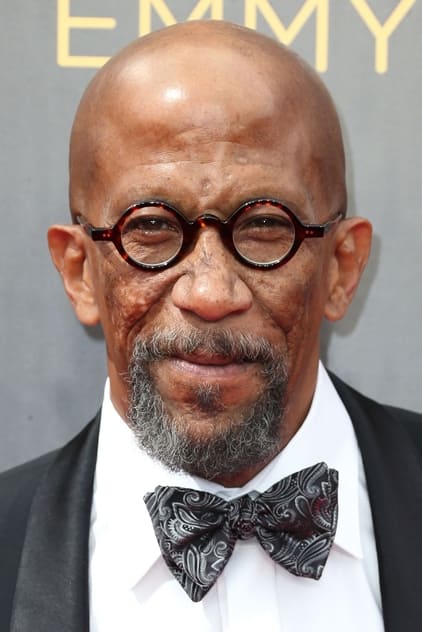
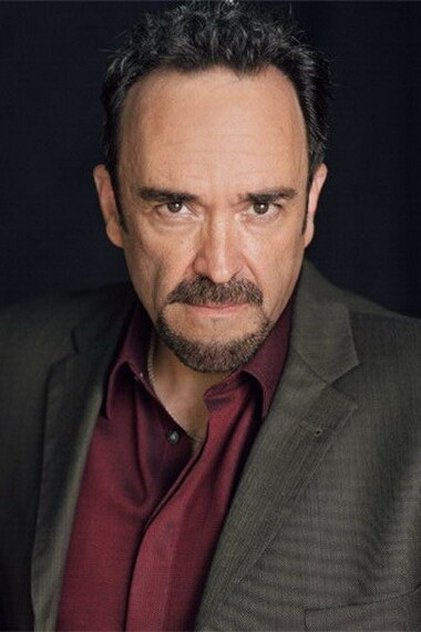
- Morgan Freeman, Brad Pitt, Gwyneth Paltrow, John Cassini
Two homicide detectives are on a desperate hunt for a serial killer whose crimes are based on the "seven deadly sins" in this dark and haunting film that takes viewers from the tortured remains of one victim to the next. The seasoned Det. Somerset researches each sin in an effort to get inside the killer's mind, while his novice partner, Mills, scoffs at his efforts to unravel the case.
Where to watch
Where can I watch Seven?
As of October 24, 2026, MovieCove lists Seven streaming on Paramount+.
Subscription


Your rating, lists and review
Highlights
What stands out about Seven?
Seven earns 17 badges, led by Top 1% of films and Stood the test of time.
- Top 1% of films, Rank badge.99th percentile Midcredits score
- Stood the test of time, Reception badge.99th percentile Midcredits score, 31 years on
- Universally Loved, Reception badge.95% rated it 7 or higher
- Awards magnet, Awards and box office badge.29 wins and 43 more nominations
- 10× return, Awards and box office badge.Returned 10× its budget
- Atmospheric, Craft and mood badge.Reviews score it 90 of 100
- Standout acting, Craft and mood badge.Reviews score it 88 of 100
- Seriously scary, Content badge.Frightening / Intense heavier than 99% of films
Show 9 moreShow fewer
- Cultural touchstone, Reception badge.Among the most-seen films, 6.1M ratings
- Word-of-mouth hit, Awards and box office badge.Grossed 7.3× its opening weekend
- Audience favorite, Reception badge.Critics 65, audiences 86
- Breakout role, Cast badge.John Cassini's breakout
- Heavy for an R-rated film, Content badge.Heavier than 93% of R-rated films
- Before they were famous, Cast badge.Gwyneth Paltrow: newcomer then, star now
- Haunting, Craft and mood badge.Leaves you haunted
- Emotionally heavy, Craft and mood badge.You may need recovery time
- Big Budget, Awards and box office badge.$33M budget
- Rank
- Reception
- Craft and mood
- Awards and box office
- Content
- Cast
Reception
Is Seven worth watching?
Seven's Midcredits score is the 99th percentile of all films, from 6.1M ratings across 6 sources. 95% liked it (rated it 7 or higher out of 10).
Midcredits score
99th percentile
Better received than 99% of films
85 /100
98th percentile of all films
Critics 65 · Audience 86
Rating distribution
votes at each rating level (1–10)
Ratings pile up at 9–10 with almost no detractors — near-universal love.
95% liked it
99th percentile of all films
Critics 84% · Audience 95%
Awards
0 Oscars won · 1 Oscar noms · 29 wins / 43 noms overall
- NominatedAcademy Awards· Best Film Editing
- NominatedBAFTA Awards· Best Screenplay - Original
99th percentile
6.1M ratings across platforms
Box office
Returned 10.0× its budget — 99th percentile earner in its genre.
What reviewers say
Common ground
Seven is a dark, grim serial-killer thriller with a deliberate pace and a shocking ending that divides audiences on whether its bleakness is masterful or off-putting.
Fans praised
- atmospheric cinematography and rain-soaked visuals
- intelligent screenplay and morally provocative plot
- superb performances by Freeman, Pitt, and Spacey
Detractors panned
- excessive gloom and murky visuals hinder engagement
- meandering plot with a twist that makes little sense
- nihilistic tone and misogynistic undertones
What stands out
oppressively grim and chilling world-building
Freeman and Pitt praised for chemistry; Spacey chilling in brief role
relentless, anxiety-inducing; detractors find it tiresome
dark, rain-soaked, beautifully grim visuals; some call murky
shattering, unforgettable, uncompromising; detractors call unacceptable
contrasting detective archetypes with depth; killer as intelligent antagonist
clever serial-killer puzzle using seven deadly sins but lapses in logic
deliberate tension-building; detractors find it meandering
Preferred by
No notable difference between any of the groups: each pair ranks it within 10 percentile points.
- Women vs men 2 points apart
- Under-30s vs over-30s even
- Critics vs users even
- US vs non-US even
Watch experience
What is Seven like to watch?
Watch this when you are ready to pay close attention and feel heavy feelings, and you want something dark that stays with you.
What it asks of you
Your full attention and room for heavy feelings.
What it feels like
Dark and unsettling.
How it leaves you
Haunted.
Story archetype
Every story archetype, clockwise from the top
- Monster 21% (this title): Predator 6% (this title) · Tyrant 6% · Invasion 2% · Oppressive state 2% · Corporate villainy 1% · Institutional injustice 1% · Class system under 1% · Technology turns under 1% · Inner demon 1%
- Rags 3%: Underdog triumph 2% · Social ascent under 1% · Fame and fortune under 1% · Rise and fall under 1% · Hidden worth revealed under 1%
- Quest 10%: Treasure hunt 1% · Rescue 4% · Mission 5% · Journey home under 1% · Pilgrimage 1%
- Voyage 4%: Portal fantasy under 1% · Fish out of water 2% · Survival ordeal 1% · Time displacement under 1% · Descent 1%
- Comedy 11%: Romantic comedy 4% · Comedy of errors 3% · Farce 2% · Buddy comedy 1% · Comedy of manners 1%
- Tragedy 9%: Hubris 1% · Obsession 2% · Corruption arc 2% · Doomed love 2% · Crushed by fate 3%
- Rebirth 13%: Redemption 3% · Healing 5% · Liberation 2% · Second chance 2%
- Mystery 7%: Puzzle 1% · Investigation 5% · Enigma 2%
- No archetype 22%
What it's about
Every theme, clockwise from the top
- Bonds 27%: Romantic love 15% · Marriage 2% · Family bonds 21% · Parenthood 2% · Friendship 9% · Loyalty 4%
- Self 22%: Identity 14% · Coming of age 5% · Aging under 1% · Self-worth 7% · Ambition 7% · Purpose 9% · Memory 3% · Obsession 3%
- Power 7%: Power 2% · Corruption 3% · Greed 3% · Class 3% · Oppression 4% · Freedom 5%
- Morality 16% (this title): Justice 13% (this title) · Duty 2% · Revenge 4% · Guilt 3% · Redemption 6% · Forgiveness 1% · Sacrifice 4% · Betrayal 5% · Deception 9%
- Survival 15%: Survival 17% · War 1% · Violence 4% · Mortality 2% · Grief 6% · Trauma 7% · Mental illness 1% · Addiction 1% · Illness and disability under 1%
- Society 9%: Community 14% · Isolation 5% · Prejudice 3% · Displacement 1% · Faith 3% · Tradition vs change 2% · Fame 3% · Legacy 4%
- Ideas 5%: Fate 1% (this title) · Free will under 1% · Truth 4% · Hope 5% · Nature 2% · Art 4% · Technology 1%
The world
Content guide
Is Seven okay for kids?
RSeven is rated R: “Rated R for grisly afterviews of horrific and bizarre killings, and for strong language” (MPAA). As of October 23, 2026, Midcredits content scores put its violence at severe (93/100), sexual content at moderate (45/100), language at severe (88/100), drug and alcohol content at mild (34/100) and frightening material at severe (95/100). Overall it is heavier than 93% of R-rated films.
Ratings in 33 other countriesRatings elsewhere
- UK18
- Canada18A
- AustraliaR 18+
- Germany16
- France12
- Ireland18
- JapanR18+
- South Korea19
- Brazil14
- Argentina18
- Belgium16
- Czechia15+
- Denmark15
- FinlandK-16
- Hong KongIIB
- Hungary18
- ID21+
- IndiaA
- Israel18
- ItalyT
- LU16
- MexicoB-15
- Netherlands16
- Norway18
- PhilippinesR-18
- Poland18
- PortugalM/16
- SingaporeM18
- South Africa16
- Spain18
- Sweden15
- Switzerland16
- Türkiye16+
Point along a line to see a well-known title at that level.
The reason to think twice is frightening material, violence, and language. Everything else sits at or below what R-rated films usually carry.
Source: Midcredits content scores, 0 (none) to 100 (severe) per category, with each standing ranked against other films that have them.
What content warnings does Seven have?
MovieCove's classifier found 8 depicted content warnings in Seven: Gore or body horror (severe), Torture (severe), Self-harm (moderate), plus 5 withheld here because they would spoil the plot. 1 more is mentioned only, in dialogue or backstory (behind the spoiler gate). Each is backed by a verbatim quote from the parents' guide notes; a missing warning is not a guarantee of absence.
Mentioned: referenced in dialogue or backstory, not shown in the story’s present.
Cast and crew
Who is in Seven?
Cast








Crew
Directed by
Written by
Cinematography
Edited by
Music by
More like this
What are movies like Seven?
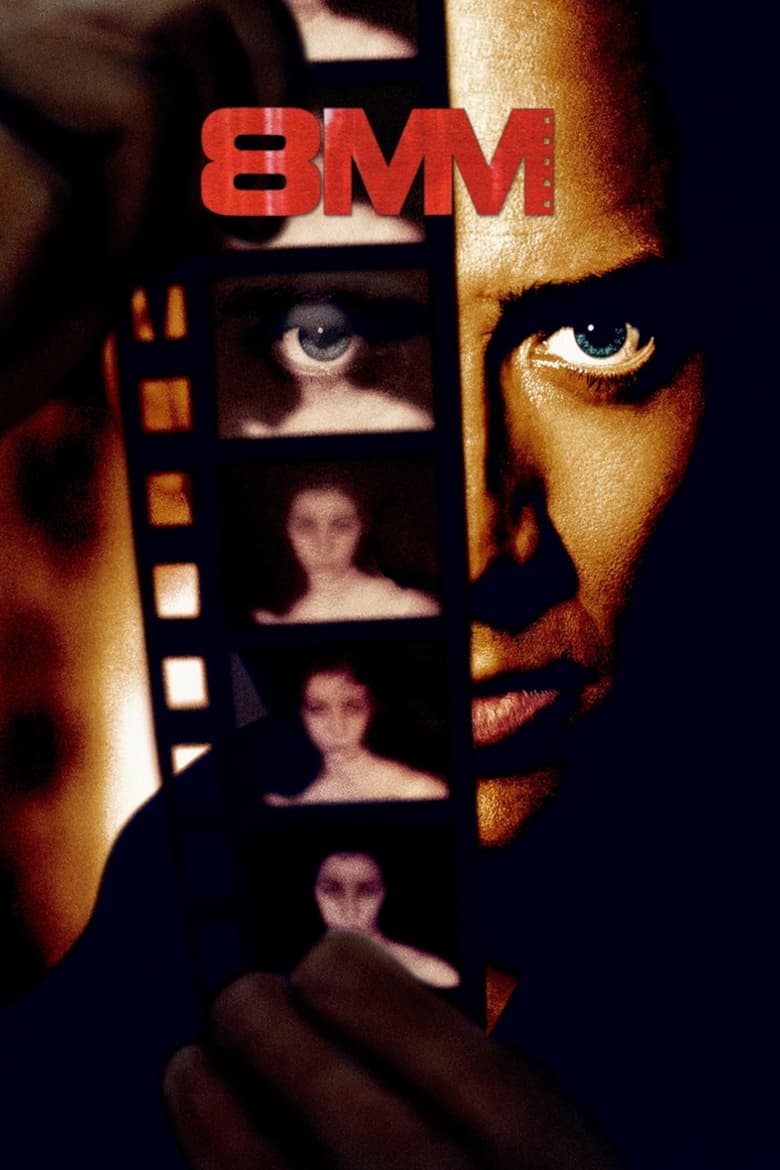
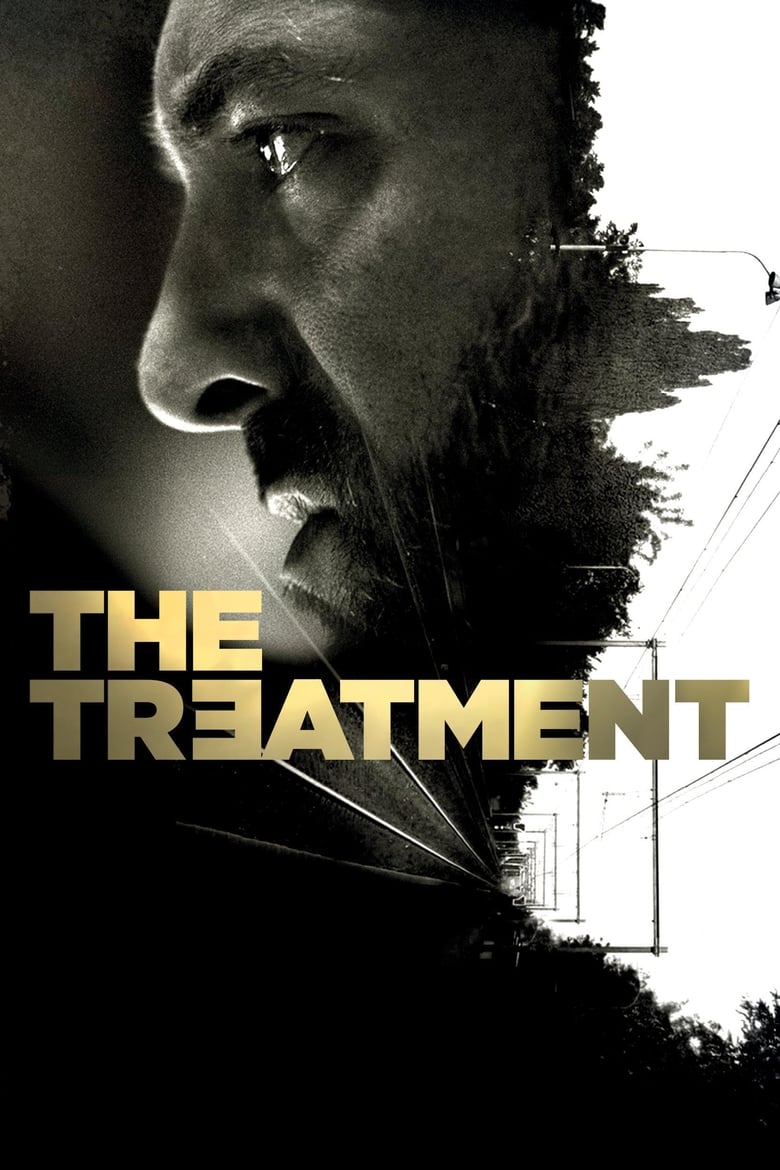
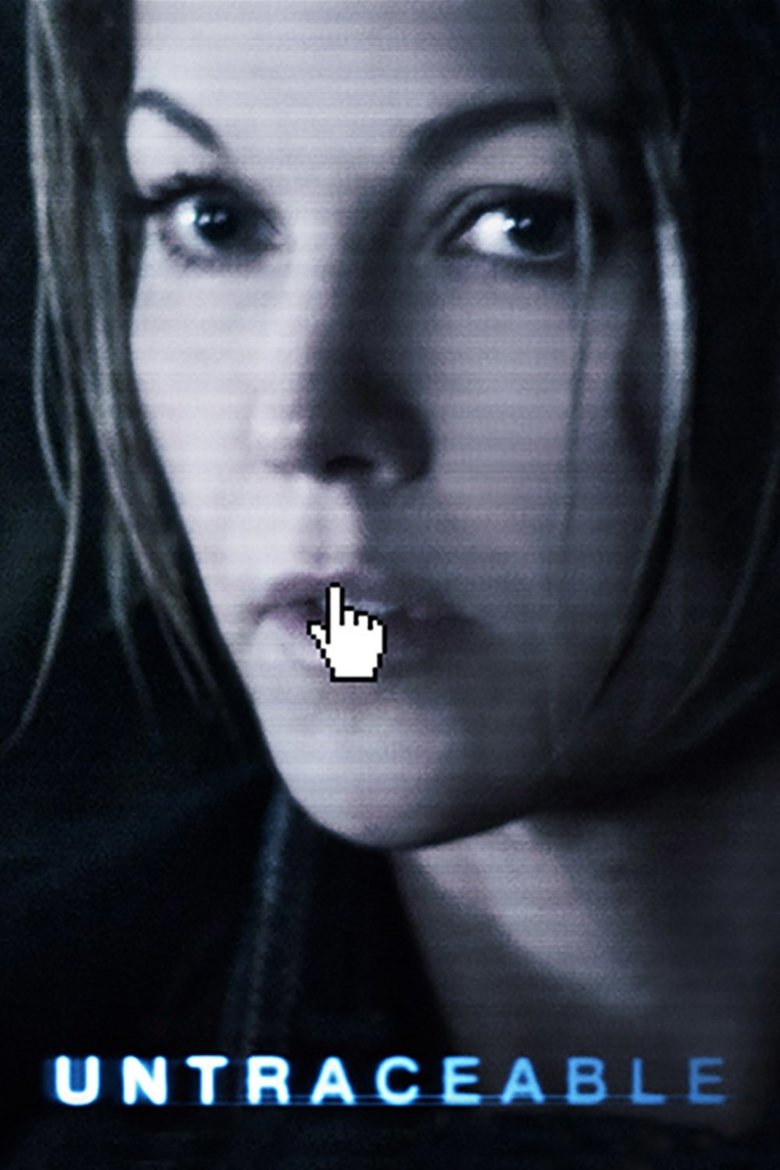
Movies like Seven include The Killing Gene (2007), 8MM (1999) and Gone Baby Gone (2007). Of the 12 closest matches, most are stories about detectives, and most are investigation stories.




Explore by
What else shares a premise, people or place with Seven?
1.3K other films share the rarest tag below, kind of film: neo-noir. Each tag opens Browse with the films that share it.