
Nanny McPhee and the Big Bang
The magic's back, warts and all.
- Director
- Susanna White
- Starring
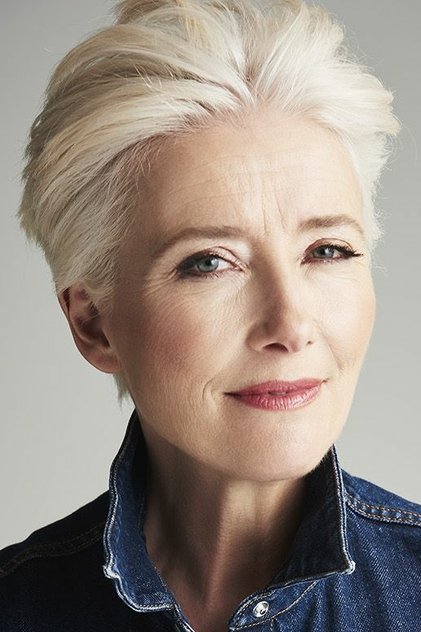
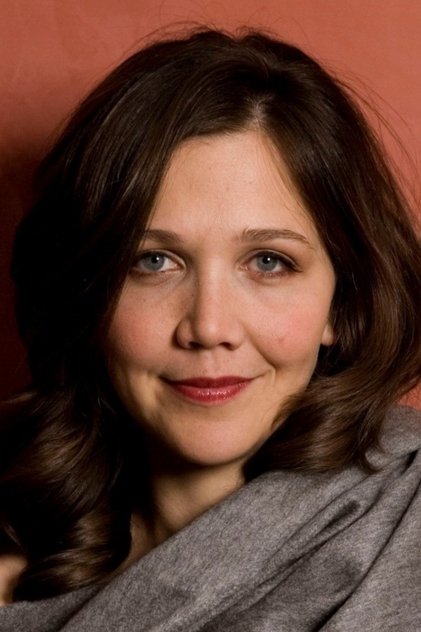
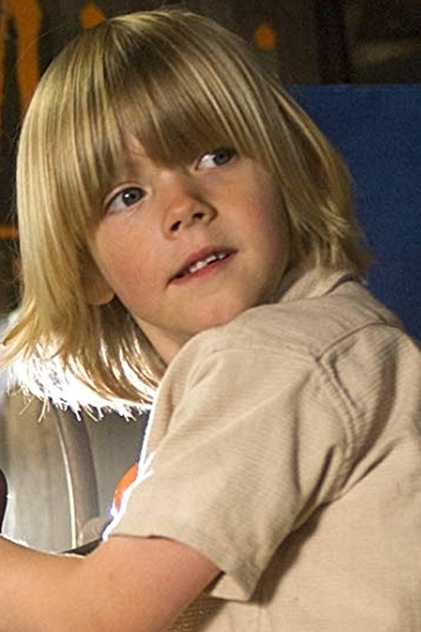
- Emma Thompson, Maggie Gyllenhaal, Asa Butterfield, Oscar Steer
Nanny McPhee appears at the door of a harried young mother who is trying to run the family farm while her husband is away at war. But once she’s arrived, Nanny discovers that the children are fighting a war of their own against two spoiled city cousins who have just moved in. Relying on everything from a flying motorcycle and a statue that comes to life to a tree-climbing piglet and a baby elephant, Nanny uses her magic to teach her mischievous charges five new lessons.
Where to watch
Where can I watch Nanny McPhee and the Big Bang?
As of October 24, 2026, MovieCove lists Nanny McPhee and the Big Bang streaming on Cinemax via Prime Video and HBO Max and to rent or buy on Apple TV and Prime Video.
Subscription







Your rating, lists and review
Highlights
What stands out about Nanny McPhee and the Big Bang?
Nanny McPhee and the Big Bang earns 10 badges, led by Standout acting and Family friendly.
- Standout acting, Craft and mood badge.Praised by fans (90) and detractors (70)
- Family friendly, Content badge.In the lightest quarter of films on all 5 categories
- Box Office Hit, Awards and box office badge.Returned 2.7× its budget
- Award Winner, Awards and box office badge.1 win and 2 more nominations
- Before they were famous, Cast badge.Asa Butterfield: newcomer then, star now
- Feel-good, Craft and mood badge.Leaves you feeling good
- Gentle for a PG-rated film, Content badge.Heavier than only 6% of PG-rated films
- Preferred by Over-30s, Reception badge.Over-30s scored it 11 points higher than under-30s
Show 2 moreShow fewer
- Reception
- Craft and mood
- Awards and box office
- Content
- Cast
Reception
Is Nanny McPhee and the Big Bang worth watching?
Nanny McPhee and the Big Bang's Midcredits score is the 49th percentile of all films, from 160K ratings across 6 sources. 45% liked it (rated it 7 or higher out of 10).
Midcredits score
49th percentile
Better received than 49% of films
62 /100
52nd percentile of all films
Critics 52 · Audience 63
Rating distribution
votes at each rating level (1–10)
A broad spread centered near 6.3 — solid but not unanimous.
45% liked it
45th percentile of all films
Critics 76% · Audience 55%
Awards
0 Oscars won · 0 Oscar noms · 1 wins / 2 noms overall
97th percentile
160K ratings across platforms
Box office
Returned 2.7× its budget — 95th percentile earner in its genre.
What reviewers say
Common ground
Both camps agree the film features Emma Thompson's strong central performance and a family-friendly story with moral lessons, but they differ on whether the execution feels magical or tired.
Fans praised
- Emma Thompson's performance and writing
- warmth and wit in the adaptation
- well-crafted lessons with heart
Detractors panned
- shrill comedy and overused CGI
- lacks magic of the first film
- weak plot and repetitive formula
What stands out
Emma Thompson's expressive performance under prosthetics, Maggie Gyllenhaal's charm
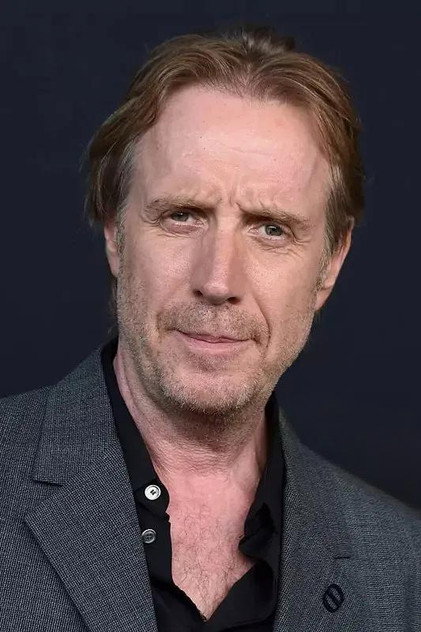
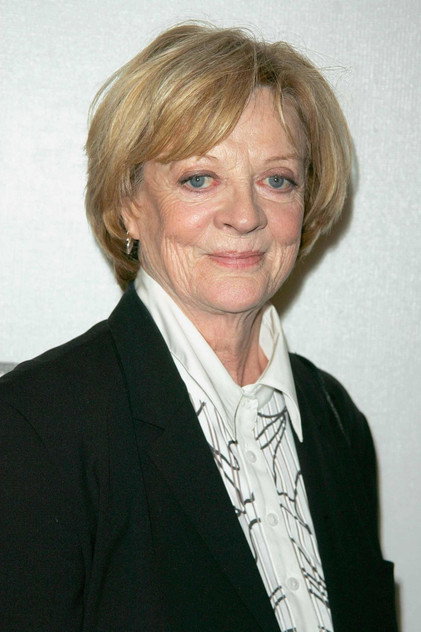
Memorable supporting turns from Rhys Ifans and Maggie Smith
Heartfelt lessons and touching moments
Witty lines and comical exchanges
WWII farm setting adds charm but lacks magic
Some great comical moments but shrill at times
CGI effects used with restraint but sometimes overdone
Formulaic sequel structure with farm and war backdrop
Preferred by
Under-30s vs over-30s
Over-30s scored it 11 points higher than under-30s.
No notable difference between the other groups: each pair ranks it within 10 percentile points.
- Women vs men 9 points apart
- Critics vs users 9 points apart
- US vs non-US 9 points apart
Watch experience
What is Nanny McPhee and the Big Bang like to watch?
Watch this when you want something warm that leaves you smiling.
What it asks of you
Patience.
What it feels like
Feel-good.
How it leaves you
Feeling good.
Story archetype
Every story archetype, clockwise from the top
- Monster 21%: Predator 6% · Tyrant 6% · Invasion 2% · Oppressive state 2% · Corporate villainy 1% · Institutional injustice 1% · Class system under 1% · Technology turns under 1% · Inner demon 1%
- Rags 3%: Underdog triumph 2% · Social ascent under 1% · Fame and fortune under 1% · Rise and fall under 1% · Hidden worth revealed under 1%
- Quest 10%: Treasure hunt 1% · Rescue 4% · Mission 5% · Journey home under 1% · Pilgrimage 1%
- Voyage 4%: Portal fantasy under 1% · Fish out of water 2% · Survival ordeal 1% · Time displacement under 1% · Descent 1%
- Comedy 11%: Romantic comedy 4% · Comedy of errors 3% · Farce 2% · Buddy comedy 1% · Comedy of manners 1%
- Tragedy 9%: Hubris 1% · Obsession 2% · Corruption arc 2% · Doomed love 2% · Crushed by fate 3%
- Rebirth 13% (this title): Redemption 3% · Healing 5% (this title) · Liberation 2% · Second chance 2%
- Mystery 7%: Puzzle 1% · Investigation 5% · Enigma 2%
- No archetype 22%
What it's about
Every theme, clockwise from the top
- Bonds 27% (this title): Romantic love 15% · Marriage 2% · Family bonds 21% (this title) · Parenthood 2% · Friendship 9% · Loyalty 4%
- Self 22%: Identity 14% · Coming of age 5% · Aging under 1% · Self-worth 7% · Ambition 7% · Purpose 9% · Memory 3% · Obsession 3%
- Power 7%: Power 2% · Corruption 3% · Greed 3% · Class 3% · Oppression 4% · Freedom 5%
- Morality 16%: Justice 13% · Duty 2% · Revenge 4% · Guilt 3% · Redemption 6% · Forgiveness 1% · Sacrifice 4% · Betrayal 5% · Deception 9%
- Survival 15%: Survival 17% · War 1% · Violence 4% · Mortality 2% · Grief 6% · Trauma 7% · Mental illness 1% · Addiction 1% · Illness and disability under 1%
- Society 9%: Community 14% · Isolation 5% · Prejudice 3% · Displacement 1% · Faith 3% · Tradition vs change 2% · Fame 3% · Legacy 4%
- Ideas 5%: Fate 1% · Free will under 1% · Truth 4% · Hope 5% (this title) · Nature 2% · Art 4% · Technology 1%
The world
Content guide
Is Nanny McPhee and the Big Bang okay for kids?
PGNanny McPhee and the Big Bang is rated PG: “Rated PG for rude humor, some language and mild thematic elements” (MPAA). As of October 3, 2026, Midcredits content scores put its violence at minimal (12/100), sexual content at mild (22/100), language at minimal (15/100), drug and alcohol content at minimal (0/100) and frightening material at mild (25/100). Overall it is heavier than 6% of PG-rated films.
Ratings in 19 other countriesRatings elsewhere
- UKU
- AustraliaG
- Germany0
- FranceU
- IrelandG
- JapanPG12
- South KoreaALL
- BrazilL
- AustriaAA
- CzechiaU
- DenmarkA
- Hungary12
- Netherlands6
- NorwayA
- PolandAL
- PortugalM/6
- ROAP
- SKU
- Switzerland12
Point along a line to see a well-known title at that level.
Nothing here is extreme. The strongest element is frightening material, heavier than 24% of PG-rated films.
Source: Midcredits content scores, 0 (none) to 100 (severe) per category, with each standing ranked against other films that have them.
What content warnings does Nanny McPhee and the Big Bang have?
Not screened for content warnings yet.
Cast and crew
Who is in Nanny McPhee and the Big Bang?
Cast
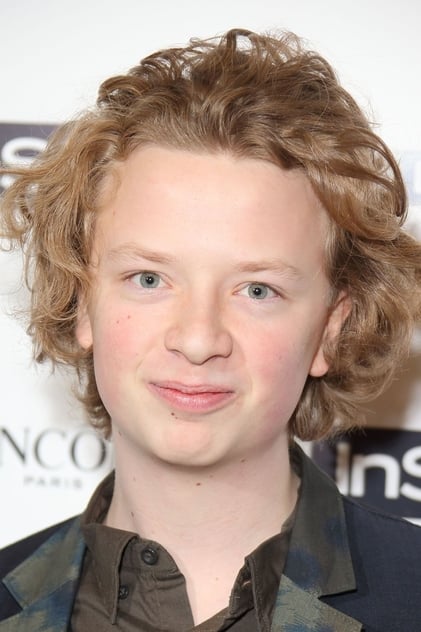
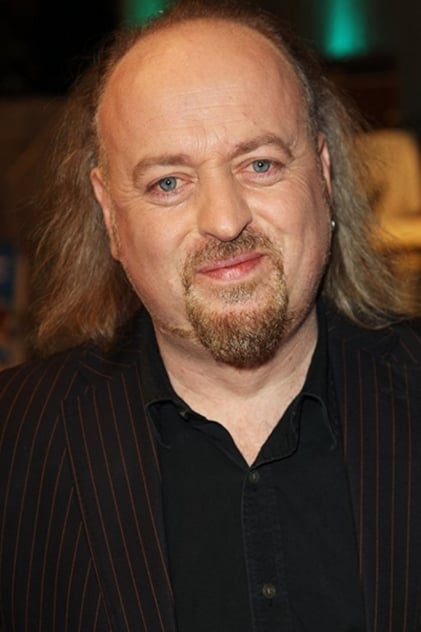
2 of the 10 billed cast had never appeared on screen; 2 of the cast already had the standing of a top-10% working actor.



Crew
Directed by
Written by
Cinematography
Edited by
Music by
Produced by
More like this
What are movies like Nanny McPhee and the Big Bang?
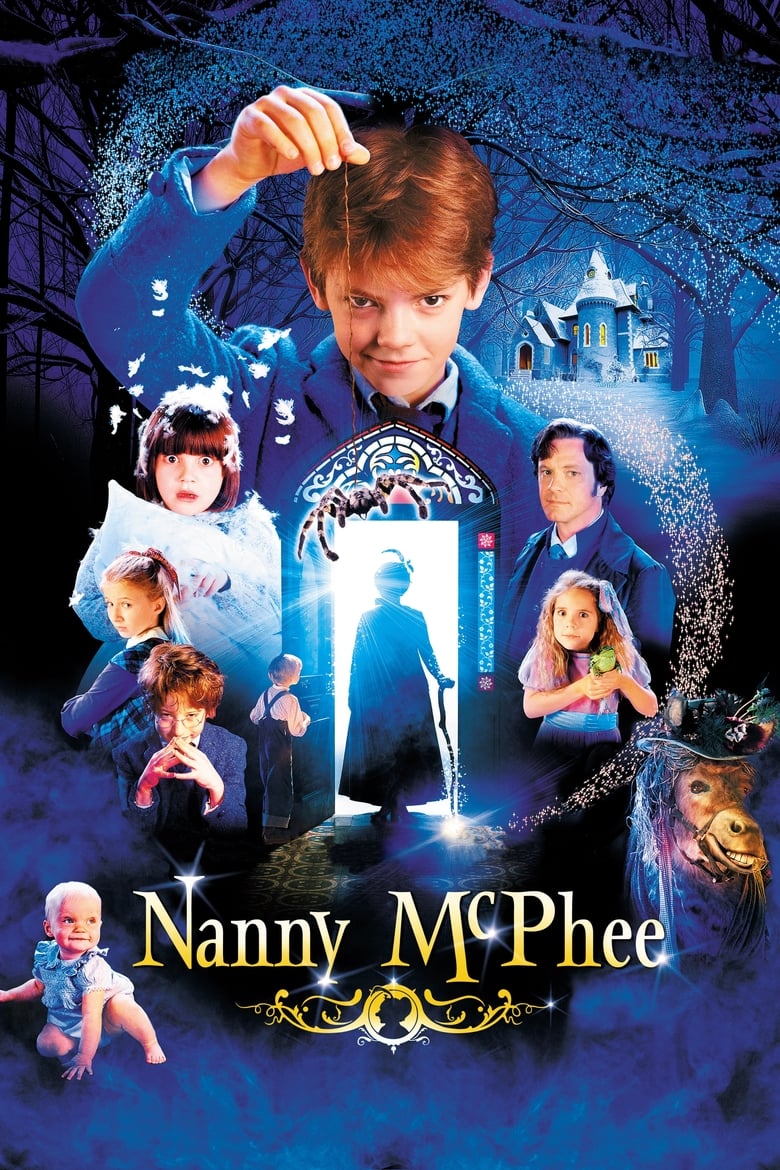
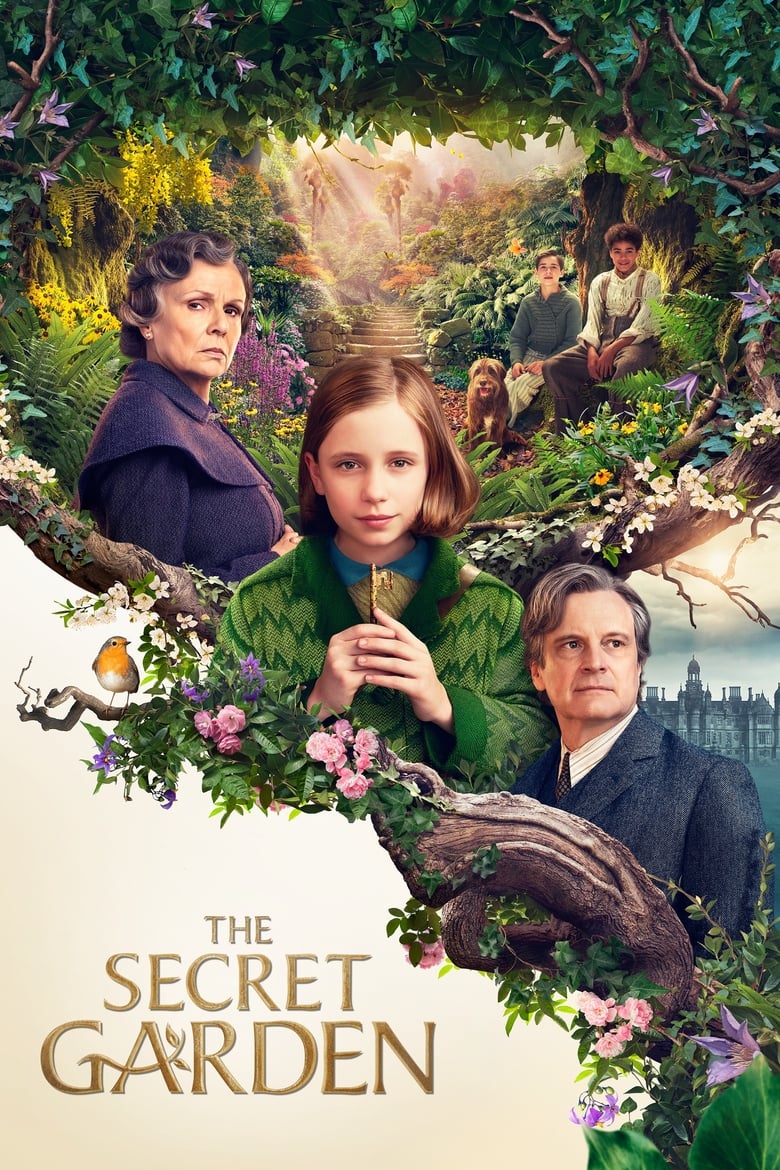
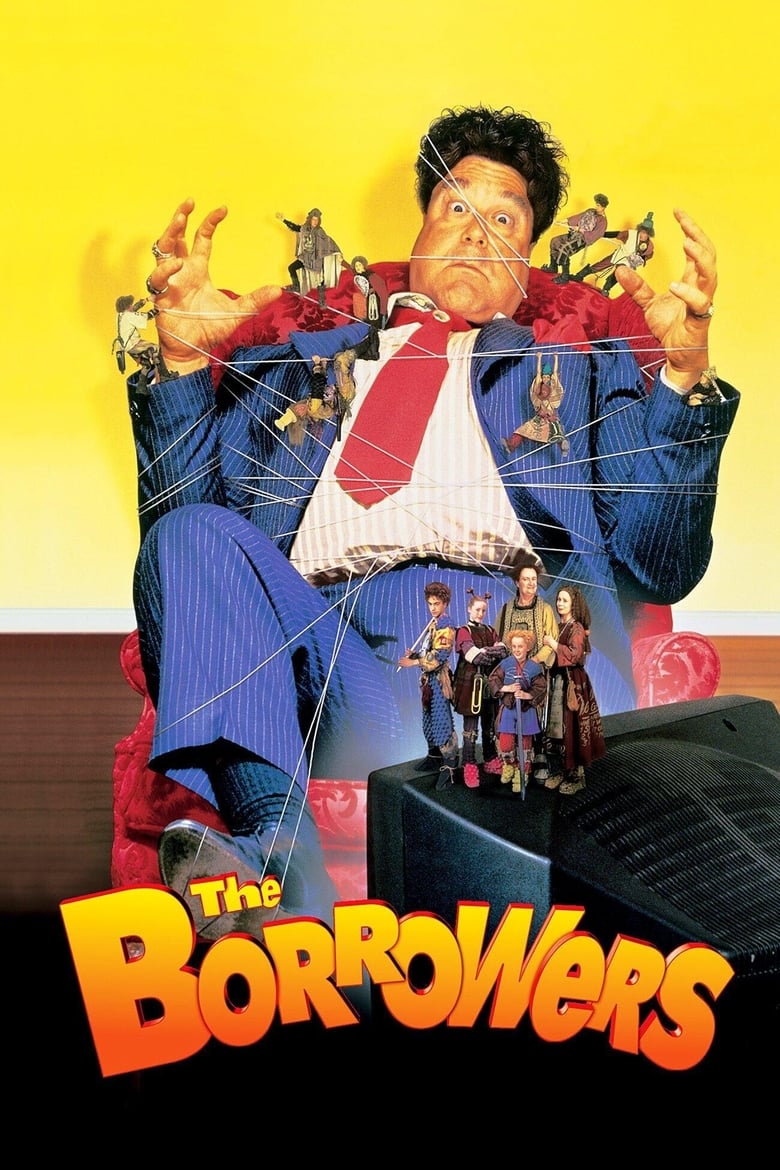
Movies like Nanny McPhee and the Big Bang include Nanny McPhee (2005), The Secret Garden (2020) and The Borrowers (1997). Of the 12 closest matches, all are family adventures, and several are fantasy films.
- Nanny McPheePeople:
- The Secret GardenStory type:
- The BorrowersFeel:
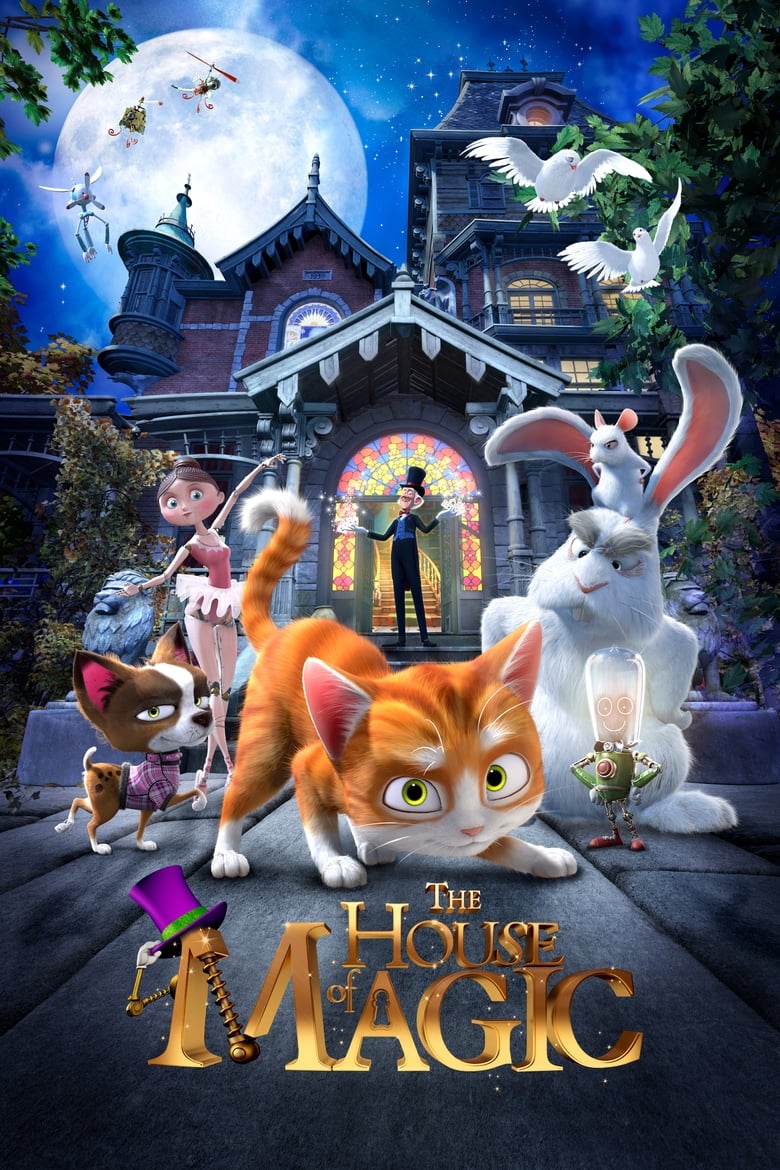
- Thunder and the House of MagicFeel:
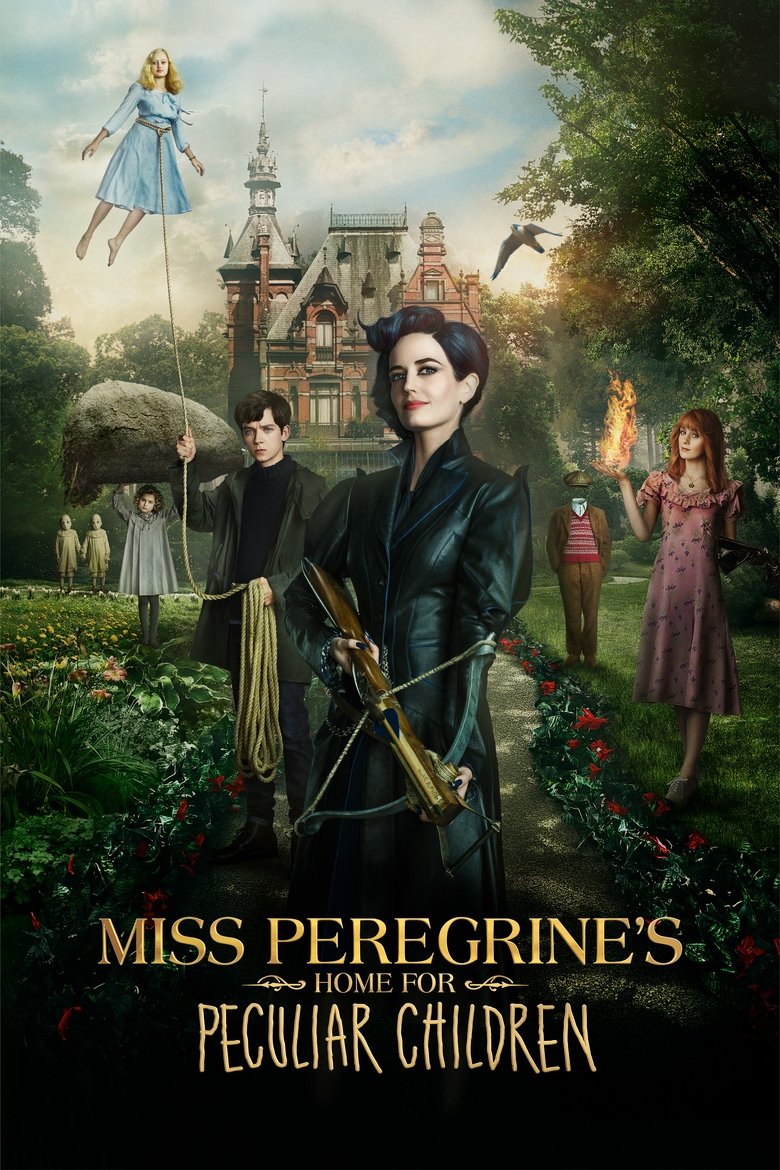
- Miss Peregrine's Home for Peculiar ChildrenCharacters:
- Bedknobs and BroomsticksCharacters:
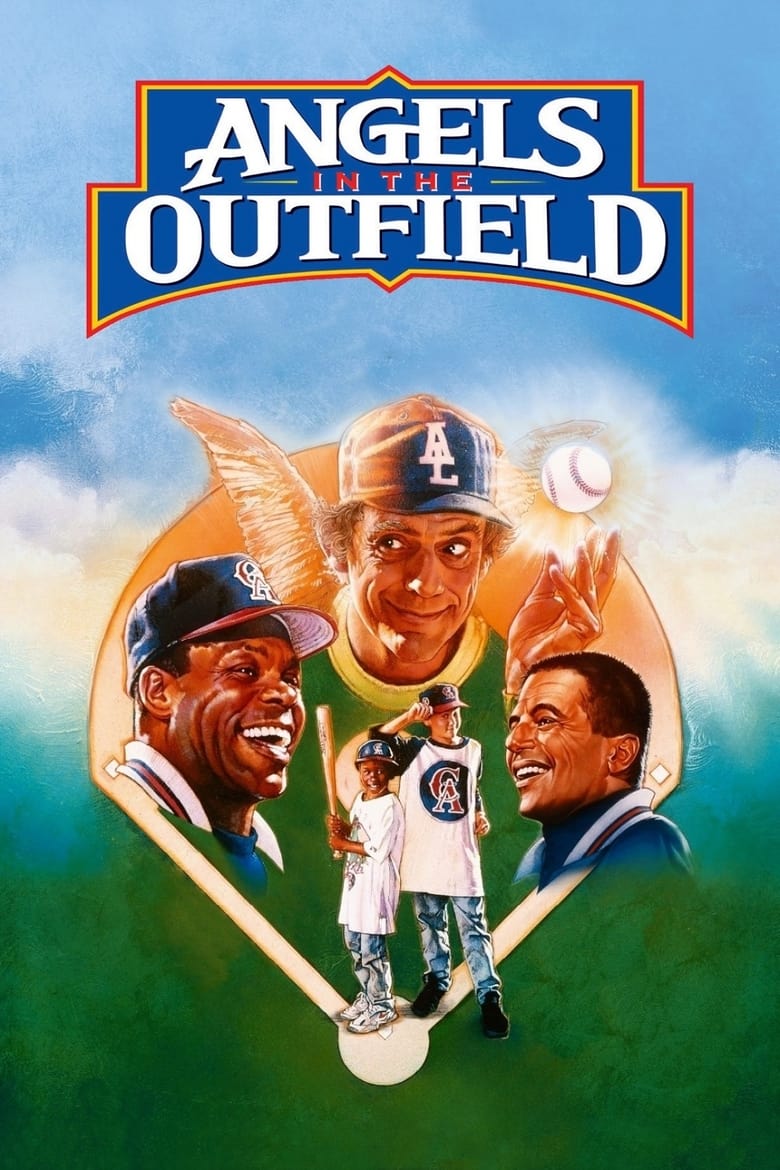
- Angels in the OutfieldFeel:
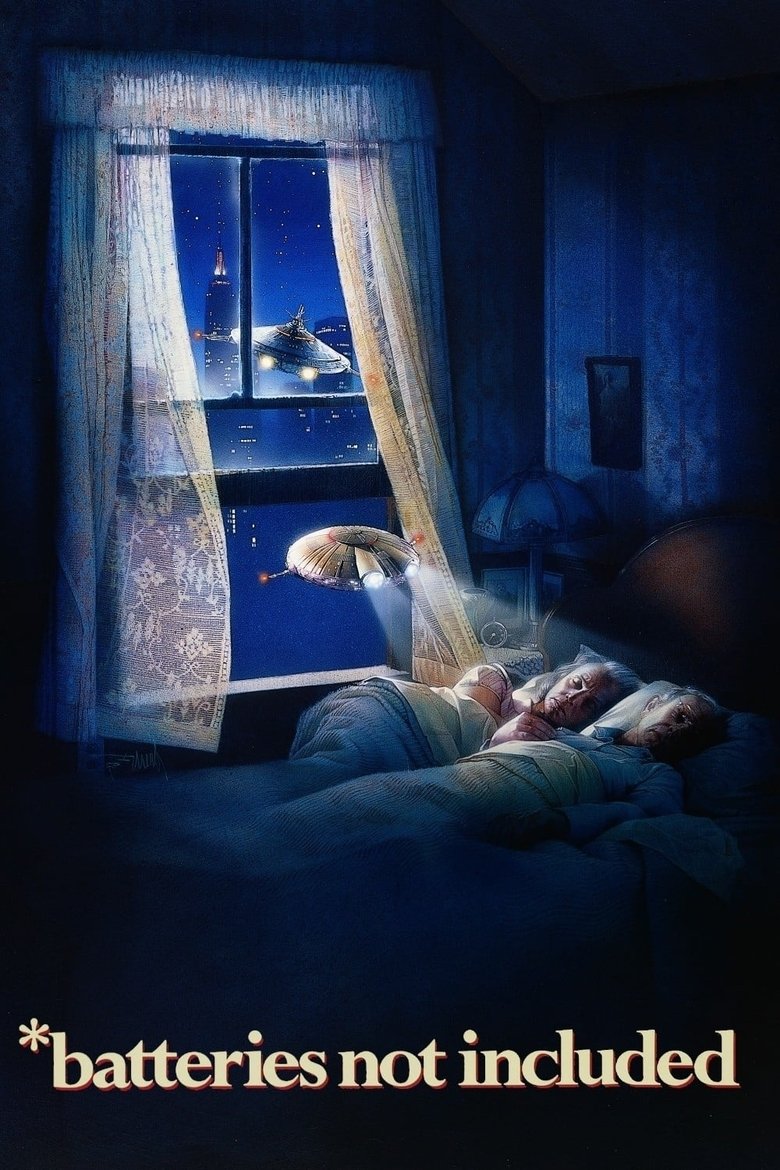
- *batteries not includedStory type:
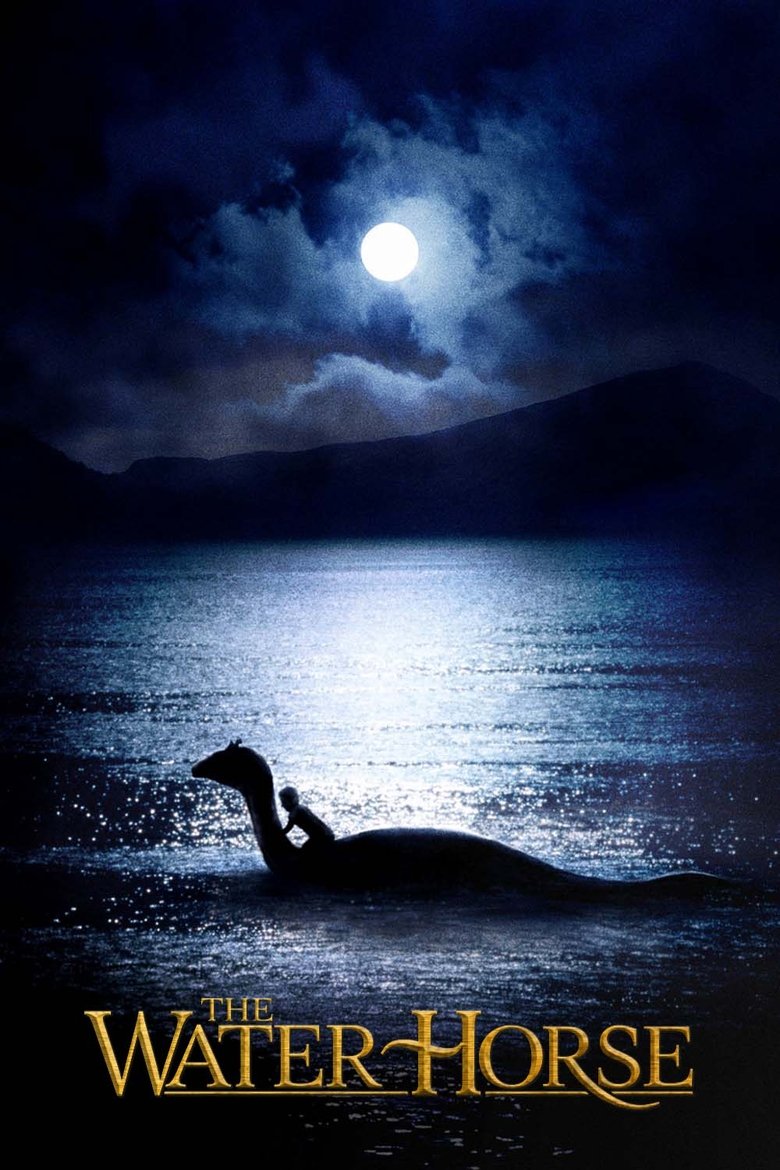
- The Water HorseWorld:
- The Secret of MoonacrePeople:
- Rock-A-DoodleSubject:
- HouseboatSubject:

Why this pick
Explore by
What else shares a premise, people or place with Nanny McPhee and the Big Bang?
4.3K other films share the rarest tag below, kind of film: family adventure. Each tag opens Browse with the films that share it.