Skip to content
MovieCove
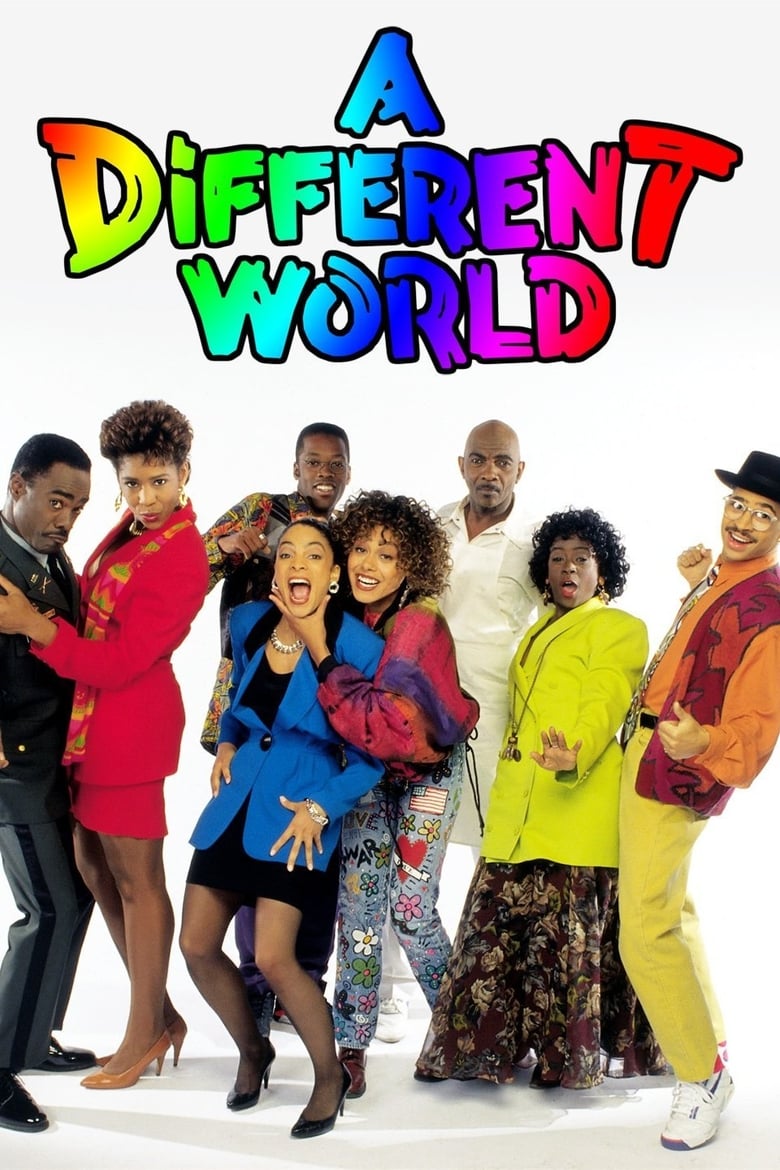
A Different World

A Different World

1987–1993Ended6 seasons144 episodes~60 min/epTV-PGMidcredits score: 54th percentile of all shows

A Different World is a spin-off series from The Cosby Show and originally centered on Denise Huxtable and the life of students at Hillman College, a fictional mixed but historically black college in the state of Virginia. After Bonet's departure in the first season, the remainder of the series primarily focused more on Southern belle Whitley Gilbert and mathematics whiz Dwayne Wayne. The series frequently depicted members of the major historically black fraternities and sororities.

Your rating, lists and review

Where can I watch A Different World?

As of October 24, 2026, MovieCove lists A Different World streaming on Netflix.

Subscription

What stands out about A Different World?

A Different World earns 6 badges, led by Crowd Pleaser and Preferred by Women.

  • Reception
  • Craft and mood
  • Cast

Is A Different World worth watching?

A Different World's Midcredits score is the 54th percentile of all shows, from 9.5K ratings across 2 sources. 73% liked it (rated it 7 or higher out of 10).

Midcredits score

How well it was received

54th percentile

Better received than 54% of shows

51st percentile among Comedy44th percentile among 1980s
Acclaim (how much people like it)53rd
Approval (how many liked it)55th

Acclaim

Crowd Pleaser: Rating-distribution shape vs the catalog

How much people like it

71 /100

53rd percentile of all shows

53rd percentile among Comedy42nd percentile among 1980s

Rating distribution

A broad spread centered near 7.5 — solid but not unanimous.

Approval

How many liked it

73% liked it

55th percentile of all shows

49th percentile among Comedy43rd percentile among 1980s
73% rated it 7–1027% rated it 1–6

Reach

How many have seen it

87th percentile

9.4K ratings across platforms

80th percentile among Comedy81st percentile among 1980s
TMDB popularity, last 37 days to Oct 26Down 33% in 30 days

What reviewers say

Common ground

A Different World is a Cosby Show spinoff set at a fictional HBCU that evolved after a weak first season into a show about Black college life and social issues.

Fans praised

  • authentic HBCU representation inspiring college attendance
  • bold tackling of social issues like racism, sexual assault, and AIDS
  • strong ensemble cast with memorable characters like Whitley and Dwayne

Detractors panned

  • bland first season centered on Denise Huxtable
  • preachy and unfunny tone, with forced messages
  • unrealistic portrayal of college life and student behavior

What stands out

CharactersDivisive82

memorable archetypes like Whitley, Dwayne, and Freddie

OriginalityDivisive80

groundbreaking portrayal of Black college life on TV

ActingDivisive78

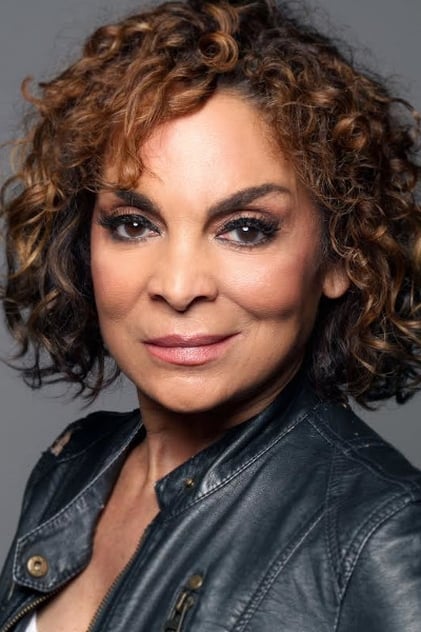
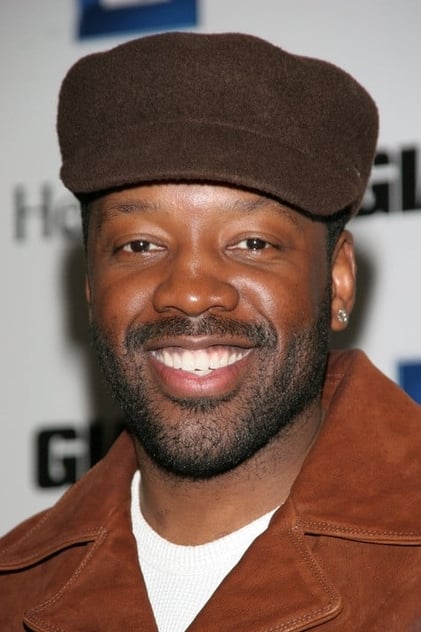
standout performances by Jasmine Guy and Kadeem Hardison

AtmosphereDivisive78

vibrant HBCU campus life and sense of community

Emotional impactDivisive75

moving storylines on personal and social struggles

Plot and storyDivisive65

season 2-6 storylines focused on social issues and relationships

DialogueDivisive60

witty banter but often preachy

HumorDivisive55

more heartfelt and issue-driven than consistently funny

Preferred by

Women vs men

Preferred by Women

Women scored it 38 points higher than men.

Critics vs users

Preferred by Users

Users scored it 28 points higher than critics.

US vs non-US

Preferred by US Viewers

US viewers scored it 37 points higher than non-US viewers.

Episodes

6 seasons

Season 6 · 1992 · 25 episodes

  • S6E1
    S6E1

    Honeymoon in L.A. (1)

    Sep 24, 199230 min
  • S6E2
    S6E2

    Honeymoon in L.A. (2)

    Oct 1, 199230 min
  • S6E3
    S6E3

    Interior Desecration

    Oct 8, 199230 min
  • S6E4
    S6E4

    Somebody Say Ho!

    Oct 15, 199230 min
  • S6E5
    S6E5

    Really Gross Anatomy

    Oct 22, 199230 min
  • S6E6
    S6E6

    Don't Count Your Chickens Before They're Axed

    Oct 29, 199230 min

What is A Different World like to watch?

Conclusions only — categories and positions, no plot detail.

Earnest, light and gentle — a slow-burn watch that leaves you feeling good.

ToneFeelDemandexact position · filled zone: the category

What it feels like

Moods
WarmJoyfulContemplative
Heaviest: middle
Warm humor
Register
WarmRomantic · 7% of shows
Told as
Resets each episode · 10% of showsNew arc each season
ToneThe series plays its campus romantic comedy and social issues straight, with warmth and sincerity.
The rideLargely a comforting and upbeat comfort watch, with deeper emotional weight in middle seasons as serious issues (racism, class, relationships) are confronted.
StructureStandard sitcom storytelling with no unusual devices.
Episode formatMost episodes are self-contained comedic plots with status quo restored, though later seasons weave more continuity.
Season formatSeasons follow the same core cast but feature a shift in focus after the first season, and later seasons develop significant character arcs.

How it leaves you

what you carry away
Feel-goodHopeful
Why it leaves you this wayThe series leaves a warm, affirming sense of community and possibility.
How it ends · evidence
Bittersweet ending

Story archetype

where it sits among all shows
Monster — 18% of shows. A threat menaces the hero's world and must be defeated.Rags — 3% of shows. A rise from lowliness to fortune, status, or recognition.Quest — 6% of shows. A journey toward a defined objective, with companions and obstacles.Voyage — 2% of shows. Into a strange world and back again, changed.Comedy — 12% of shows. Confusion and cross-purposes resolved into harmony.Tragedy — 4% of shows. A flaw or fixation drives the protagonist to ruin.Rebirth — 7% of shows. A stalled or darkened life reopened and renewed.Mystery — 8% of shows. A question drives the story — who did it, what happened, what is real — until it is answered.No archetype — 40% of showsPredator — 7% of shows. A creature or killer hunts the protagonists (Jaws, Alien).Tyrant — 3% of shows. A human villain holds power over the hero's world (Die Hard).Invasion — 2% of shows. An external force attacks the home or world (Independence Day).Oppressive state — 3% of shows. A government, its agencies or a secret faction inside them is the monster (V for Vendetta).Corporate villainy — 1% of shows. A company or its bosses are the monster (Erin Brockovich).Institutional injustice — 1% of shows. A court, prison, police force, school or church is itself the enemy (Spotlight).Class system — under 1% of shows. The gap between rich and poor, or a rigid hierarchy, is the monster (Parasite).Technology turns — under 1% of shows. Technology people rely on becomes the threat (The Terminator).Inner demon — 1% of shows. The monster is within — addiction, illness, a dark double.Underdog triumph — 2% of shows. Rise through competition or contest (Rocky).Social ascent — 1% of shows. A climb in class or status (Pretty Woman).Fame and fortune — under 1% of shows. An artistic or showbiz rise (A Star Is Born).Rise and fall — under 1% of shows. Wealth or power gained, self lost (Scarface).Hidden worth revealed — under 1% of shows. The protagonist's true value finally recognized.Treasure hunt — 1% of shows. Retrieve an object of value (Raiders of the Lost Ark).Rescue — 2% of shows. Retrieve or save a person (Saving Private Ryan).Mission — 4% of shows. Accomplish or destroy a defined objective (Mission: Impossible).Journey home — under 1% of shows. The goal is getting back (Finding Nemo).Pilgrimage — under 1% of shows. The journey itself transforms; the destination is symbolic.Portal fantasy — under 1% of shows. Transported into another world (The Wizard of Oz).Fish out of water — 1% of shows. Displaced into an unfamiliar social world (Elf).Survival ordeal — under 1% of shows. Trapped in a hostile environment, fighting back (Cast Away).Time displacement — under 1% of shows. Unstuck in time (Back to the Future).Descent — under 1% of shows. A night-journey into an underworld or subculture (After Hours).Romantic comedy — 2% of shows. Lovers kept apart by confusion, united at last.Comedy of errors — 3% of shows. Mistaken identity or misunderstanding drives the plot.Farce — 2% of shows. Escalating absurd chaos and coincidence (The Hangover).Buddy comedy — 1% of shows. A mismatched pair forced together (Rush Hour).Comedy of manners — 2% of shows. Social codes and class satirized (Clueless).Hubris — 1% of shows. Pride or ambition invites the fall (There Will Be Blood).Obsession — under 1% of shows. A fixation consumes the protagonist (Black Swan).Corruption arc — 1% of shows. Step-by-step moral decay (The Godfather).Doomed love — 1% of shows. Love destroyed by circumstance (Brokeback Mountain).Crushed by fate — 1% of shows. Destroyed by forces beyond the protagonist's control.Redemption — 1% of shows. Moral reawakening of a hardened soul (A Christmas Carol).Healing — 3% of shows. Recovery from grief or trauma (Good Will Hunting).Liberation — 2% of shows. Breaking free of a confining life (Room).Second chance — 1% of shows. A stagnant life re-opened to love or purpose (Groundhog Day).Puzzle — 1% of shows. A clue-by-clue puzzle you can try to solve before the reveal (Knives Out, Clue).Investigation — 6% of shows. A long pursuit of the truth that may never be fully solved (Zodiac, Memories of Murder).Enigma — 1% of shows. The mystery is what is real, or what is actually happening (Mulholland Drive).Comedy
Every story archetype, clockwise from the top
  • Monster 18%: Predator 7% · Tyrant 3% · Invasion 2% · Oppressive state 3% · Corporate villainy 1% · Institutional injustice 1% · Class system under 1% · Technology turns under 1% · Inner demon 1%
  • Rags 3%: Underdog triumph 2% · Social ascent 1% · Fame and fortune under 1% · Rise and fall under 1% · Hidden worth revealed under 1%
  • Quest 6%: Treasure hunt 1% · Rescue 2% · Mission 4% · Journey home under 1% · Pilgrimage under 1%
  • Voyage 2%: Portal fantasy under 1% · Fish out of water 1% · Survival ordeal under 1% · Time displacement under 1% · Descent under 1%
  • Comedy 12% (this title): Romantic comedy 2% · Comedy of errors 3% · Farce 2% · Buddy comedy 1% · Comedy of manners 2% (this title)
  • Tragedy 4%: Hubris 1% · Obsession under 1% · Corruption arc 1% · Doomed love 1% · Crushed by fate 1%
  • Rebirth 7%: Redemption 1% · Healing 3% · Liberation 2% · Second chance 1%
  • Mystery 8%: Puzzle 1% · Investigation 6% · Enigma 1%
  • No archetype 40%

Comedy: Confusion and cross-purposes resolved into harmony. · Comedy of manners: Social codes and class satirized (Clueless).

12% of shows fit this archetype

with Rebirth underneath

A loose fit — the map only half-holds this one.

Why this archetypeTypical episode: characters navigate social dynamics and romantic entanglements at a historically Black college, with episodes often ending in a warm resolution that reaffirms bonds.

What it's about

7 groups · 53 themes
Bonds — 31% of showsSelf — 27% of showsPower — 7% of showsMorality — 11% of showsSurvival — 9% of showsSociety — 10% of showsIdeas — 5% of showsRomantic love — 10% of showsMarriage — 2% of showsFamily bonds — 22% of showsParenthood — 1% of showsFriendship — 18% of showsLoyalty — 7% of showsIdentity — 20% of showsComing of age — 9% of showsAging — under 1% of showsSelf-worth — 7% of showsAmbition — 14% of showsPurpose — 16% of showsMemory — 3% of showsObsession — 2% of shows. A fixation consumes the protagonist (Black Swan).Power — 5% of showsCorruption — 3% of showsGreed — 2% of showsClass — 4% of showsOppression — 2% of showsFreedom — 4% of showsJustice — 14% of showsDuty — 2% of showsRevenge — 1% of showsGuilt — 1% of showsRedemption — 3% of shows. Moral reawakening of a hardened soul (A Christmas Carol).Forgiveness — under 1% of showsSacrifice — 2% of showsBetrayal — 3% of showsDeception — 6% of showsSurvival — 12% of showsWar — 1% of showsViolence — 2% of showsMortality — 2% of showsGrief — 4% of showsTrauma — 5% of showsMental illness — under 1% of showsAddiction — under 1% of showsIllness and disability — under 1% of showsCommunity — 25% of shows. Consequences reach a town, institution or group.Isolation — 3% of showsPrejudice — 2% of showsDisplacement — 1% of showsFaith — 1% of showsTradition vs change — 3% of showsFame — 5% of showsLegacy — 3% of showsFate — 1% of showsFree will — under 1% of showsTruth — 6% of showsHope — 4% of showsNature — 3% of showsArt — 2% of showsTechnology — 1% of showsSelfComingof age
Every theme, clockwise from the top
  • Bonds 31%: Romantic love 10% · Marriage 2% · Family bonds 22% · Parenthood 1% · Friendship 18% · Loyalty 7%
  • Self 27% (this title): Identity 20% · Coming of age 9% (this title) · Aging under 1% · Self-worth 7% · Ambition 14% · Purpose 16% · Memory 3% · Obsession 2%
  • Power 7%: Power 5% · Corruption 3% · Greed 2% · Class 4% · Oppression 2% · Freedom 4%
  • Morality 11%: Justice 14% · Duty 2% · Revenge 1% · Guilt 1% · Redemption 3% · Forgiveness under 1% · Sacrifice 2% · Betrayal 3% · Deception 6%
  • Survival 9%: Survival 12% · War 1% · Violence 2% · Mortality 2% · Grief 4% · Trauma 5% · Mental illness under 1% · Addiction under 1% · Illness and disability under 1%
  • Society 10%: Community 25% (this title) · Isolation 3% · Prejudice 2% (this title) · Displacement 1% · Faith 1% · Tradition vs change 3% · Fame 5% · Legacy 3%
  • Ideas 5%: Fate 1% · Free will under 1% · Truth 6% · Hope 4% · Nature 3% · Art 2% · Technology 1%

Self

Coming of age · 9% of showsCommunity: Consequences reach a town, institution or group.Prejudice · 2% of shows
Interrogates its theme: Questions its theme without settling the answer.Community stakes: Consequences reach a town, institution or group.Ensemble lead
How it treats its themeThe series follows young Black students navigating college, identity, and societal challenges at a historically Black college.
StanceThe series examines racial identity, social justice, and personal growth within the context of a Black college, often questioning societal norms without settling answers.

The world

ContemporaryUrbanInstitutionalRealistic
PopJazzSupportive music · hybrid
SettingHillman College, a historically Black college in the American South during the late 1980s and early 1990s.
MusicFeatures a classic theme song a cappella and occasional jazz/pop cues in episodes during the run.

Is A Different World okay for kids?

TV-PG

A Different World is rated TV-PG. As of October 3, 2026, Midcredits content scores put its violence at moderate (44/100), sexual content at moderate (44/100), language at moderate (37/100), drug and alcohol content at moderate (42/100) and frightening material at moderate (50/100). None has enough votes to rank yet.

Ratings in 2 other countries
  • Germany12
  • SingaporeNC16
Overall
Moderate · all five categories
not ranked
Violence & Gore
Moderate · audience split: No severity level holds a majority of voters
too few votes to rank (3 votes)
Sex & Nudity
Moderate · audience split: No severity level holds a majority of voters
too few votes to rank (3 votes)
Profanity
Moderate · audience split: No severity level holds a majority of voters
too few votes to rank (9 votes)
Alcohol & Drugs
Moderate
too few votes to rank (4 votes)
Frightening / Intense
Moderate · audience split: No severity level holds a majority of voters
too few votes to rank (4 votes)

Too few votes to rank this title overall (23 votes across 5 categories; ranking needs 10 in at least three).

Source: Midcredits content scores, 0 (none) to 100 (severe) per category, with each standing ranked against other shows that have them.

What content warnings does A Different World have?

Not screened for content warnings yet.

Who is in A Different World?

What are shows like A Different World?

TMDB's suggestions for shows like A Different World include Moesha (1996), The Jeffersons (1975) and Black-ish (2014).
Like this, but

What other shows share a tag with A Different World?

402 other shows share the rarest tag below, relationship: rivals. Each tag opens Browse with the shows that share it.