Ian Dudley
- Cinematographer
- 5 on MovieCove
What are Ian Dudley's films like?
Across their 5 MovieCove titles with a thematic analysis, their films lean Self and Survival.
What they feel like to watch
Ironic 0 · Wry 0 · Earnest 5
Light 1 · Serious 0 · Dark 4
A split, not a type: Grounded 3 · Stylized 1 · Heightened 1
A split, not a type: Gentle 0 · Charged 3 · Intense 2
Steady 0 · Shifting 4 · Whiplash 1
Straight-faced 3 · Some laughs 2 · Funny 0
Slow burn 2 · Even-paced 3 · Relentless 0
Casual 0 · Engaged 4 · Full focus 1
Easy watch 1 · Affecting 0 · Heavy 4
Resolved 2 · Open-ended 2 · Ambiguous 1
Moods and endings
- Happy1
- Bittersweet1
- Tragic2
- Ambiguous1
AI-generated from each title's plot synopsis and cast list, with extra plot summaries, reviews and Parents Guide notes for titles the model may not know, and the model's own knowledge of the ones it recognizes. Only analyzed titles count, so this covers part of the filmography; the feel axes count films only for now.
Where can I watch Ian Dudley's films?
As of October 24, 2026, 3 of their 5 MovieCove titles stream on a subscription or free service, most on Tubi (3).




Subscription and free streaming for Ian Dudley's titles on MovieCove; rent and buy are not counted. Titles are listed by Midcredits score, highest first, at most 12 per service; a dashed chip is a producer credit or a minor one, such as a thanks. A service opens the browse page, which counts movies only, so its number can differ.
Filmography
5 credits, 5 with a MovieCove page.
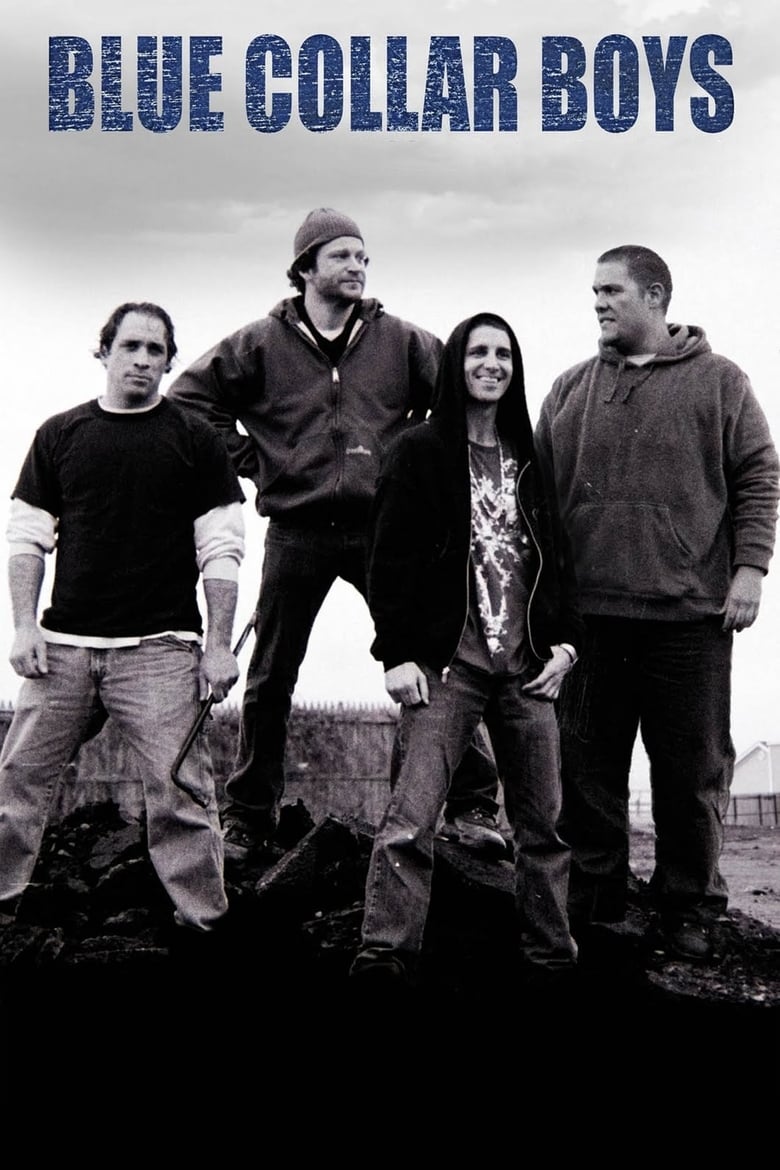
Blue Collar Boys(2013)
Midcredits score: 40th percentile of all films
One Night Stand(2011)
Midcredits score: 65th percentile of all films (provisional, few ratings)
Mooz-Lum(2010)
Midcredits score: 61st percentile of all films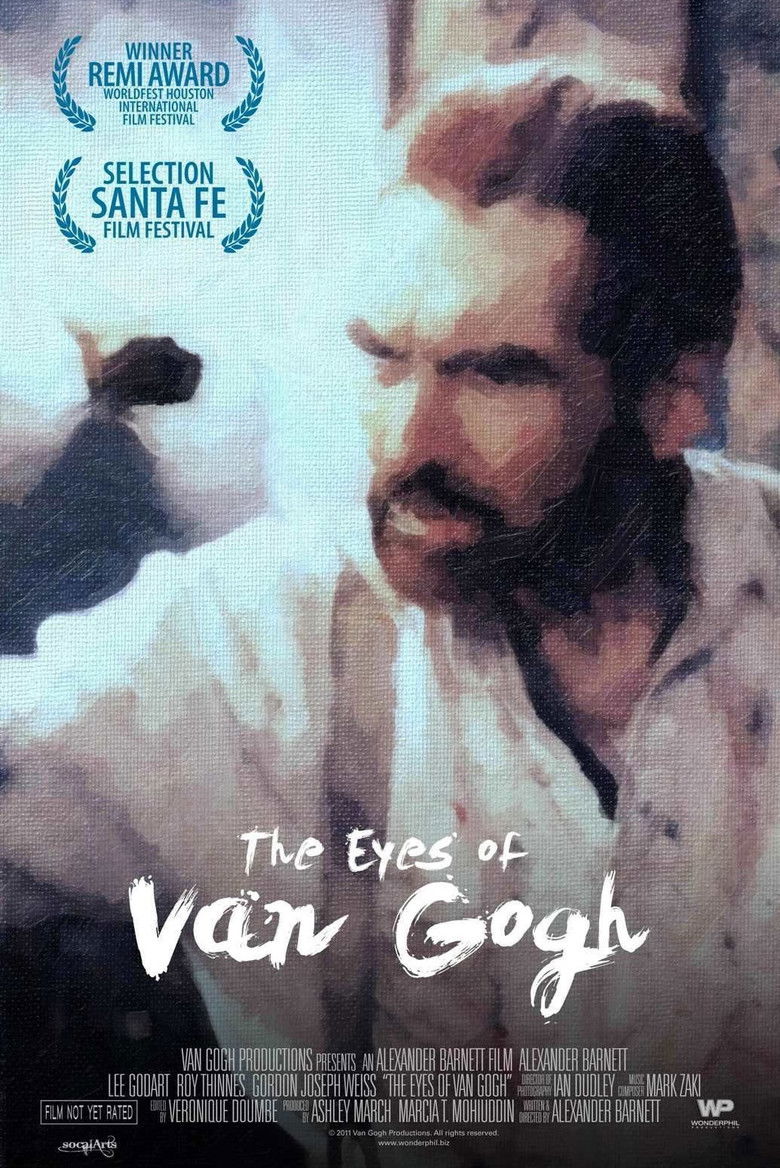
The Eyes of Van Gogh(2005)
Midcredits score: 55th percentile of all films
A Better Place(1997)
Midcredits score: 75th percentile of all films
Career shape
Across their 5 MovieCove titles from 1997 to 2013.
Biggest box office
Mooz-Lum (2010)
Highest rated
A Better Place (1997)
Most popular right now
Mooz-Lum (2010)
Counts over their MovieCove titles; a title counts in every role they held on it. The ring is the typical Midcredits score (the median percentile) of the role's titles, shown from 5 scored.
How do Ian Dudley's films land?
Their typical MovieCove film has a Midcredits score in the 61st percentile, the median of all 5; across their 5 films with reception data, the typical film sits in the 51st percentile for acclaim.
- 75th and up1
- 50th to 74th3
- 25th to 49th1
Shape of the crowd
3 of their 5 titles are Mixed.
- Divisive2
- Mixed3
Reviewers score the cinematography 53/100 in their films, across 4 reviewed titles; fans 61, detractors 25. The element that speaks to their work as a cinematographer.
Percentiles are each film's standing among all films on MovieCove; the typical film is the median, so one outlier cannot drag it. Percentiles and reviewer scores count the films IMDb credits them on, for now; the Midcredits score bands, the shape of the crowd and the two cards count their MovieCove titles, shows included (a show ranked among shows), appearances as themselves left out. A descriptor is the shape of a title's IMDb rating distribution against the catalog; "most divisive" needs a spread wider than half of all titles, and a card names only a principal credit: a craft role, and on a show a crew role or a run of episodes, never a courtesy credit or a one-off guest spot.