
The Wolf of Wall Street
Earn. Spend. Party.
- Director
- Martin Scorsese
A New York stockbroker refuses to cooperate in a large securities fraud case involving corruption on Wall Street, corporate banking world and mob infiltration. Based on Jordan Belfort's autobiography.
Where to watch
Where can I watch The Wolf of Wall Street?
As of October 24, 2026, MovieCove lists The Wolf of Wall Street streaming on Paramount+ and to rent or buy on Prime Video.
Subscription


Rent / Buy


Your rating, lists and review
Highlights
What stands out about The Wolf of Wall Street?
The Wolf of Wall Street earns 17 badges, led by Top 1% of films and Modern classic.
- Top 1% of films, Rank badge.99th percentile Midcredits score
- Modern classic, Reception badge.99th percentile Midcredits score, 13 years on
- Universally Loved, Reception badge.91% rated it 7 or higher
- Award-winning performance, Cast badge.Leonardo DiCaprio, Golden Globe win
- Word-of-mouth hit, Awards and box office badge.Grossed 6.4× its opening weekend
- Standout acting, Craft and mood badge.Reviews score it 90 of 100
- Star-studded, Cast badge.4 of the billed cast already had a top-10% actor's standing
- Laugh riot, Craft and mood badge.Reviews score it 85 of 100
Show 9 moreShow fewer
- Box Office Hit, Awards and box office badge.Returned 4.1× its budget
- Award Winner, Awards and box office badge.15 wins and 83 more nominations
- Heavy for an R-rated film, Content badge.Heavier than 97% of R-rated films
- Before they were famous, Cast badge.Margot Robbie: newcomer then, star now
- Fun, Craft and mood badge.Leaves you entertained
- Preferred by Men, Reception badge.Men scored it 12 points higher than women
- Strong sexual content, Content badge.Sex & Nudity heavier than 99% of films
- Strong language, Content badge.Profanity heavier than 98% of films
- Big Budget, Awards and box office badge.$100M budget
- Rank
- Reception
- Craft and mood
- Awards and box office
- Content
- Cast
Reception
Is The Wolf of Wall Street worth watching?
The Wolf of Wall Street's Midcredits score is the 99th percentile of all films, from 6.2M ratings across 6 sources. 91% liked it (rated it 7 or higher out of 10).
Midcredits score
99th percentile
Better received than 99% of films
81 /100
97th percentile of all films
Critics 75 · Audience 81
Rating distribution
votes at each rating level (1–10)
Ratings pile up at 9–10 with almost no detractors — near-universal love.
91% liked it
98th percentile of all films
Critics 79% · Audience 83%
Awards
0 Oscars won · 5 Oscar noms · 15 wins / 83 noms overall
- NominatedAcademy Awards· Best Achievement in Directing
- NominatedAcademy Awards· Best Motion Picture of the Year
81st percentile
6.2M ratings across platforms
Box office
Returned 4.1× its budget — 99th percentile earner in its genre.
What reviewers say
Common ground
The film is a fast-paced, Scorsese-directed chronicle of Jordan Belfort's rise and fall, anchored by a magnetic DiCaprio performance, with explicit excess and a Goodfellas-like structure.
Fans praised
- DiCaprio's electrifying, Oscar-worthy lead performance
- Scorsese's relentless pacing and fast-paced storytelling
- Snappy, hilarious dialogue and black comedy edge
Detractors panned
- Repetitive and boring, especially after the first act
- Unsympathetic characters and lack of moral center
- Excessive length and self-indulgent excess
What stands out
DiCaprio's career-best, captivating performance; strong cast improvisations
Comedy masterpiece, hilarious and sharp
Iconic music choices like 'Gimme Shelter' complement action
Snappy, hilarious, and quotable
Relentless and tight, but detractors call it overlong and repetitive
Fast-paced rise-and-fall arc, but detractors call it repetitive and draggy
Belfort written with depth of charm-to-collapse, but critics find others unsympathetic
Seen as derivative of Goodfellas/Casino, though black comedy angle noted
Preferred by
Women vs men
Men scored it 12 points higher than women.
No notable difference between the other groups: each pair ranks it within 10 percentile points.
- Under-30s vs over-30s even
- Critics vs users even
- US vs non-US 2 points apart
Watch experience
What is The Wolf of Wall Street like to watch?
Watch this when you want to laugh at things you probably shouldn't.
What it asks of you
Nothing out of the ordinary.
What it feels like
Dark comedy.
How it leaves you
Entertained.
Story archetype
Every story archetype, clockwise from the top
- Monster 21%: Predator 6% · Tyrant 6% · Invasion 2% · Oppressive state 2% · Corporate villainy 1% · Institutional injustice 1% · Class system under 1% · Technology turns under 1% · Inner demon 1%
- Rags 3% (this title): Underdog triumph 2% · Social ascent under 1% · Fame and fortune under 1% · Rise and fall under 1% (this title) · Hidden worth revealed under 1%
- Quest 10%: Treasure hunt 1% · Rescue 4% · Mission 5% · Journey home under 1% · Pilgrimage 1%
- Voyage 4%: Portal fantasy under 1% · Fish out of water 2% · Survival ordeal 1% · Time displacement under 1% · Descent 1%
- Comedy 11%: Romantic comedy 4% · Comedy of errors 3% · Farce 2% · Buddy comedy 1% · Comedy of manners 1%
- Tragedy 9%: Hubris 1% · Obsession 2% · Corruption arc 2% · Doomed love 2% · Crushed by fate 3%
- Rebirth 13%: Redemption 3% · Healing 5% · Liberation 2% · Second chance 2%
- Mystery 7%: Puzzle 1% · Investigation 5% · Enigma 2%
- No archetype 22%
What it's about
Every theme, clockwise from the top
- Bonds 27%: Romantic love 15% · Marriage 2% · Family bonds 21% · Parenthood 2% · Friendship 9% · Loyalty 4%
- Self 22%: Identity 14% · Coming of age 5% · Aging under 1% · Self-worth 7% · Ambition 7% (this title) · Purpose 9% · Memory 3% · Obsession 3%
- Power 7% (this title): Power 2% · Corruption 3% (this title) · Greed 3% (this title) · Class 3% · Oppression 4% · Freedom 5%
- Morality 16%: Justice 13% · Duty 2% · Revenge 4% · Guilt 3% · Redemption 6% · Forgiveness 1% · Sacrifice 4% · Betrayal 5% · Deception 9%
- Survival 15%: Survival 17% · War 1% · Violence 4% · Mortality 2% · Grief 6% · Trauma 7% · Mental illness 1% · Addiction 1% · Illness and disability under 1%
- Society 9%: Community 14% · Isolation 5% · Prejudice 3% · Displacement 1% · Faith 3% · Tradition vs change 2% · Fame 3% · Legacy 4%
- Ideas 5%: Fate 1% · Free will under 1% · Truth 4% · Hope 5% · Nature 2% · Art 4% · Technology 1%
The world
Content guide
Is The Wolf of Wall Street okay for kids?
RThe Wolf of Wall Street is rated R: “Rated R for sequences of strong sexual content, graphic nudity, drug use and language throughout, and for some violence” (MPAA). As of October 20, 2026, Midcredits content scores put its violence at moderate (58/100), sexual content at severe (92/100), language at severe (94/100), drug and alcohol content at severe (96/100) and frightening material at moderate (56/100). Overall it is heavier than 97% of R-rated films.
Ratings in 43 other countriesRatings elsewhere
- UK18
- Canada18A
- AustraliaR 18+
- Germany16
- France12
- Ireland18
- New ZealandR18
- JapanR18+
- South Korea19
- Brazil18
- Argentina+16
- Belgium16
- Czechia18+
- Denmark15
- FinlandK-16
- GreeceK18
- Hong KongIII
- HR16
- Hungary16
- ID21+
- IndiaA
- Israel16
- Italy14+
- LTN-16
- MexicoC
- MOD
- Netherlands16
- Norway15
- PhilippinesR-18
- Poland16
- PortugalM/16
- RO18+
- Russia18+
- SingaporeR21
- SK15
- South Africa18
- Spain16
- Sweden15
- Switzerland16
- Taiwan18+
- TH18
- Türkiye18+
- UA18+
Point along a line to see a well-known title at that level.
The reason to think twice is drug and alcohol content, language, and sexual content. Everything else sits at or below what R-rated films usually carry.
Source: Midcredits content scores, 0 (none) to 100 (severe) per category, with each standing ranked against other films that have them.
What content warnings does The Wolf of Wall Street have?
MovieCove's classifier found 5 depicted content warnings in The Wolf of Wall Street: Addiction or relapse (severe), plus 4 withheld here because they would spoil the plot. Each is backed by a verbatim quote from the parents' guide notes; a missing warning is not a guarantee of absence.
Cast and crew
Who is in The Wolf of Wall Street?
Cast
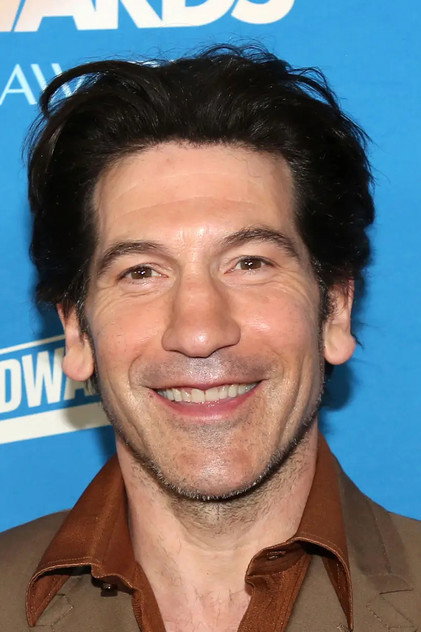
4 of the cast already had the standing of a top-10% working actor; Leonardo DiCaprio won the Globe for this film.






Crew
Directed by
Written by
Cinematography
Edited by
More like this
What are movies like The Wolf of Wall Street?
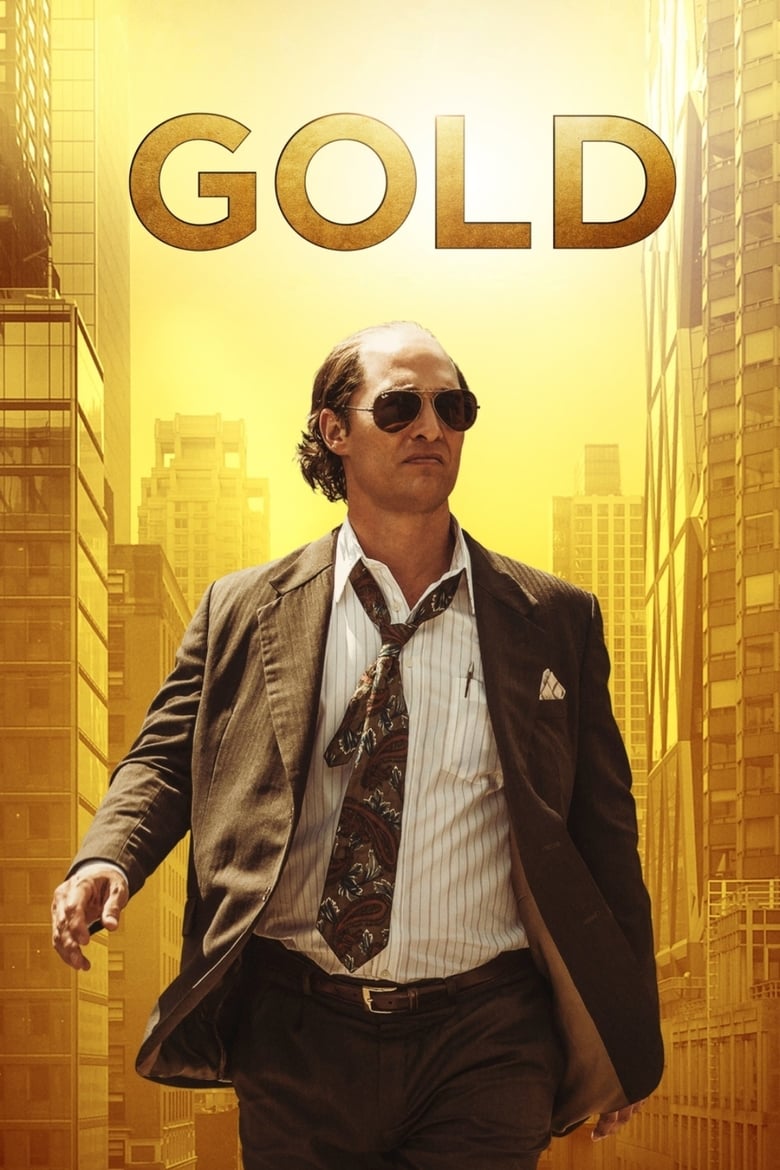
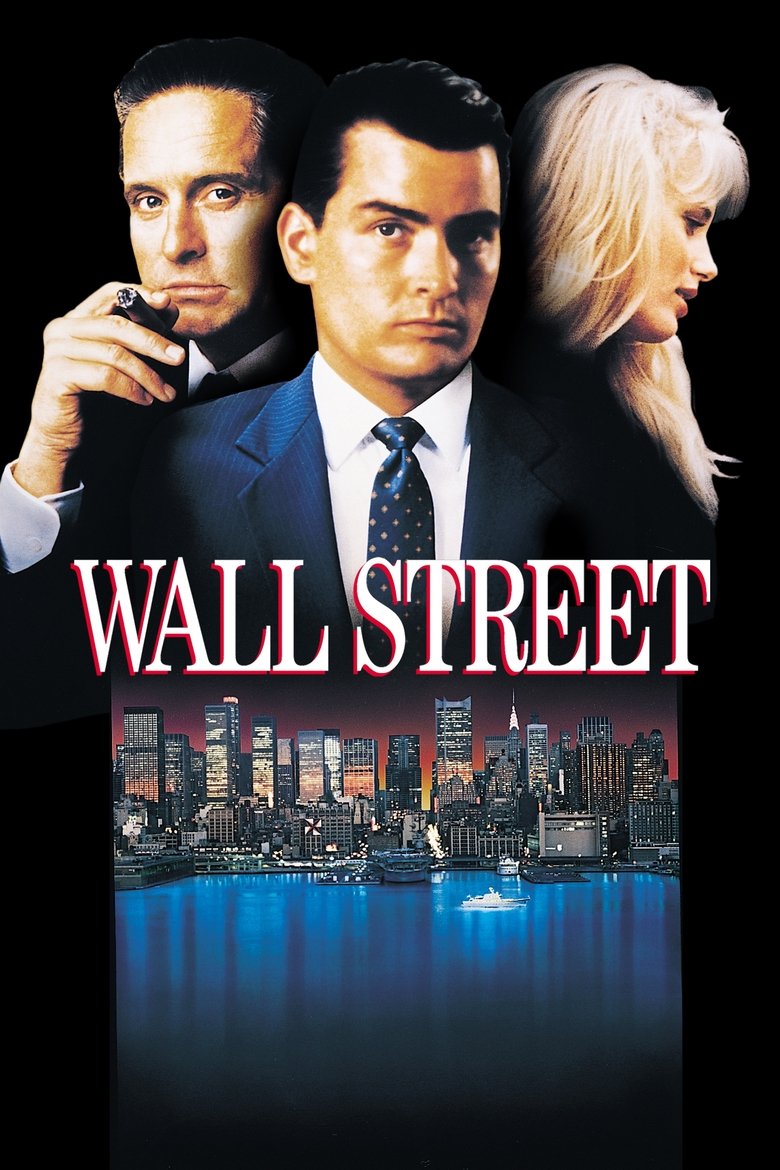
Movies like The Wolf of Wall Street include Gold (2016), Casino (1995) and Wall Street (1987). Of the 12 closest matches, two are films by Martin Scorsese, and most are films about high finance.




Explore by
What else shares a premise, people or place with The Wolf of Wall Street?
997 other films share the rarest tag below, follows: con artist. Each tag opens Browse with the films that share it.