
The Shining
A masterpiece of modern horror.
- Director
- Stanley Kubrick
- Starring
- Jack Nicholson, Shelley Duvall, Danny Lloyd, Scatman Crothers
Jack Torrance accepts a caretaker job at the Overlook Hotel, where he, along with his wife Wendy and their son Danny, must live isolated from the rest of the world for the winter. But they aren't prepared for the madness that lurks within.
Where to watch
Where can I watch The Shining?
As of October 24, 2026, MovieCove lists The Shining streaming on HBO Max and to rent or buy on Prime Video.
Subscription


Rent / Buy


Your rating, lists and review
Highlights
What stands out about The Shining?
The Shining earns 15 badges, led by Top 1% of films and Stood the test of time.
- Top 1% of films, Rank badge.99th percentile Midcredits score
- Stood the test of time, Reception badge.99th percentile Midcredits score, 46 years on
- Universally Loved, Reception badge.91% rated it 7 or higher
- Visual feast, Craft and mood badge.Reviews score it 95 of 100
- Atmospheric, Craft and mood badge.Reviews score it 92 of 100
- Seriously scary, Content badge.Frightening / Intense heavier than 97% of films
- Box Office Hit, Awards and box office badge.Returned 2.6× its budget
- Award Winner, Awards and box office badge.6 wins and 9 more nominations
Show 7 moreShow fewer
- Cultural touchstone, Reception badge.Among the most-seen films, 4.7M ratings
- Standout soundtrack, Craft and mood badge.Reviews score it 90 of 100
- Audience favorite, Reception badge.Critics 68, audiences 83
- Snowed-in watch, Craft and mood badge.Fits a winter night in
- Halloween pick, Craft and mood badge.Fits spooky season
- Haunting, Craft and mood badge.Leaves you haunted
- Big Budget, Awards and box office badge.$19M budget
- Rank
- Reception
- Craft and mood
- Awards and box office
- Content
Reception
Is The Shining worth watching?
The Shining's Midcredits score is the 99th percentile of all films, from 4.7M ratings across 6 sources. 91% liked it (rated it 7 or higher out of 10).
Midcredits score
99th percentile
Better received than 99% of films
83 /100
98th percentile of all films
Critics 68 · Audience 83
Rating distribution
votes at each rating level (1–10)
Ratings pile up at 9–10 with almost no detractors — near-universal love.
91% liked it
98th percentile of all films
Awards
0 Oscars won · 0 Oscar noms · 6 wins / 9 noms overall
99th percentile
4.7M ratings across platforms
Box office
Returned 2.6× its budget — 95th percentile earner in its genre.
What reviewers say
Common ground
A visually stunning, atmospheric horror film with a slowly building sense of dread, though its story coherence divides viewers.
Fans praised
- masterful Kubrick direction and meticulous visual craft
- eerie, oppressive atmosphere and unsettling tone throughout
- iconic, endlessly analyzable imagery and set pieces
Detractors panned
- diffuse, poorly structured narrative with unexplained plot threads
- pacing drags and momentum falters, undermining tension
- performances, especially Nicholson's, veer into overacting and camp
What stands out
dazzling tracking shots, use of Steadicam, and meticulous framing
creepy, claustrophobic Overlook Hotel setting; some find it not scary
unsettling score and sound design build dread; some call it overreliant
Nicholson's manic performance praised by fans, derided as cartoonish by detractors
builds slowly, but many detractors argue the unengaging plot kills suspense
loose, ambiguous narrative leaves many plot threads dangling; fans admire the ambiguity, detractors see sloppiness
ambiguous, iconic finale leaves many frustrated due to lack of closure
slow burn that fails to ignite; detractors call it tedious, some fans also note pacing issues
Preferred by
No notable difference between any of the groups: each pair ranks it within 10 percentile points.
- Women vs men 3 points apart
- Under-30s vs over-30s 3 points apart
- Critics vs users 1 point apart
- US vs non-US even
Watch experience
What is The Shining like to watch?
Watch this when you are ready for heavy feelings, and you want to be scared.
What it asks of you
Room for heavy feelings, patience and a taste for open questions.
What it feels like
Scary.
How it leaves you
Haunted.
Story archetype
Every story archetype, clockwise from the top
- Monster 21%: Predator 6% · Tyrant 6% · Invasion 2% · Oppressive state 2% · Corporate villainy 1% · Institutional injustice 1% · Class system under 1% · Technology turns under 1% · Inner demon 1%
- Rags 3%: Underdog triumph 2% · Social ascent under 1% · Fame and fortune under 1% · Rise and fall under 1% · Hidden worth revealed under 1%
- Quest 10%: Treasure hunt 1% · Rescue 4% · Mission 5% · Journey home under 1% · Pilgrimage 1%
- Voyage 4%: Portal fantasy under 1% · Fish out of water 2% · Survival ordeal 1% · Time displacement under 1% · Descent 1%
- Comedy 11%: Romantic comedy 4% · Comedy of errors 3% · Farce 2% · Buddy comedy 1% · Comedy of manners 1%
- Tragedy 9% (this title): Hubris 1% · Obsession 2% (this title) · Corruption arc 2% · Doomed love 2% · Crushed by fate 3%
- Rebirth 13%: Redemption 3% · Healing 5% · Liberation 2% · Second chance 2%
- Mystery 7%: Puzzle 1% · Investigation 5% · Enigma 2%
- No archetype 22%
What it's about
Every theme, clockwise from the top
- Bonds 27%: Romantic love 15% · Marriage 2% · Family bonds 21% (this title) · Parenthood 2% · Friendship 9% · Loyalty 4%
- Self 22%: Identity 14% · Coming of age 5% · Aging under 1% · Self-worth 7% · Ambition 7% · Purpose 9% · Memory 3% · Obsession 3%
- Power 7%: Power 2% · Corruption 3% · Greed 3% · Class 3% · Oppression 4% · Freedom 5%
- Morality 16% (this title): Justice 13% · Duty 2% · Revenge 4% · Guilt 3% · Redemption 6% (this title) · Forgiveness 1% · Sacrifice 4% · Betrayal 5% · Deception 9%
- Survival 15%: Survival 17% · War 1% · Violence 4% · Mortality 2% · Grief 6% · Trauma 7% · Mental illness 1% · Addiction 1% · Illness and disability under 1%
- Society 9%: Community 14% · Isolation 5% (this title) · Prejudice 3% · Displacement 1% · Faith 3% · Tradition vs change 2% · Fame 3% · Legacy 4%
- Ideas 5%: Fate 1% · Free will under 1% · Truth 4% · Hope 5% · Nature 2% · Art 4% · Technology 1%
The world
Content guide
Is The Shining okay for kids?
RThe Shining is rated R: “Rated R for disturbing violent content and behavior, bloody images, graphic nudity, and strong language” (MPAA). As of October 3, 2026, Midcredits content scores put its violence at severe (83/100), sexual content at intense (72/100), language at intense (70/100), drug and alcohol content at moderate (41/100) and frightening material at severe (92/100). Overall it is heavier than 87% of R-rated films.
Ratings in 30 other countriesRatings elsewhere
- UK15
- CanadaR
- AustraliaM
- Germany16
- France12
- Ireland18
- JapanR15+
- South Korea15
- Brazil16
- Argentina+18
- Belgium18
- Denmark15
- FinlandK-18
- Hong KongIII
- Hungary18
- ItalyVM14
- LTN-16
- MexicoC
- Netherlands16
- Norway18
- PhilippinesR-16
- Poland18
- PortugalM/16
- PRR
- Russia18+
- SingaporeM18
- Spain16
- Sweden15
- Taiwan15+
- Türkiye18+
Point along a line to see a well-known title at that level.
Heavy almost across the board: frightening material, violence, sexual content, and language. Everything else sits at or below what R-rated films usually carry.
Source: Midcredits content scores, 0 (none) to 100 (severe) per category, with each standing ranked against other films that have them.
What content warnings does The Shining have?
Not screened for content warnings yet.
Cast and crew
Who is in The Shining?
Cast
2 of the 10 billed cast had never appeared on screen; 1 of the cast already had the standing of a top-10% working actor.


Crew
Directed by
Written by
Cinematography
Edited by
Music by
Produced by
More like this
What are movies like The Shining?
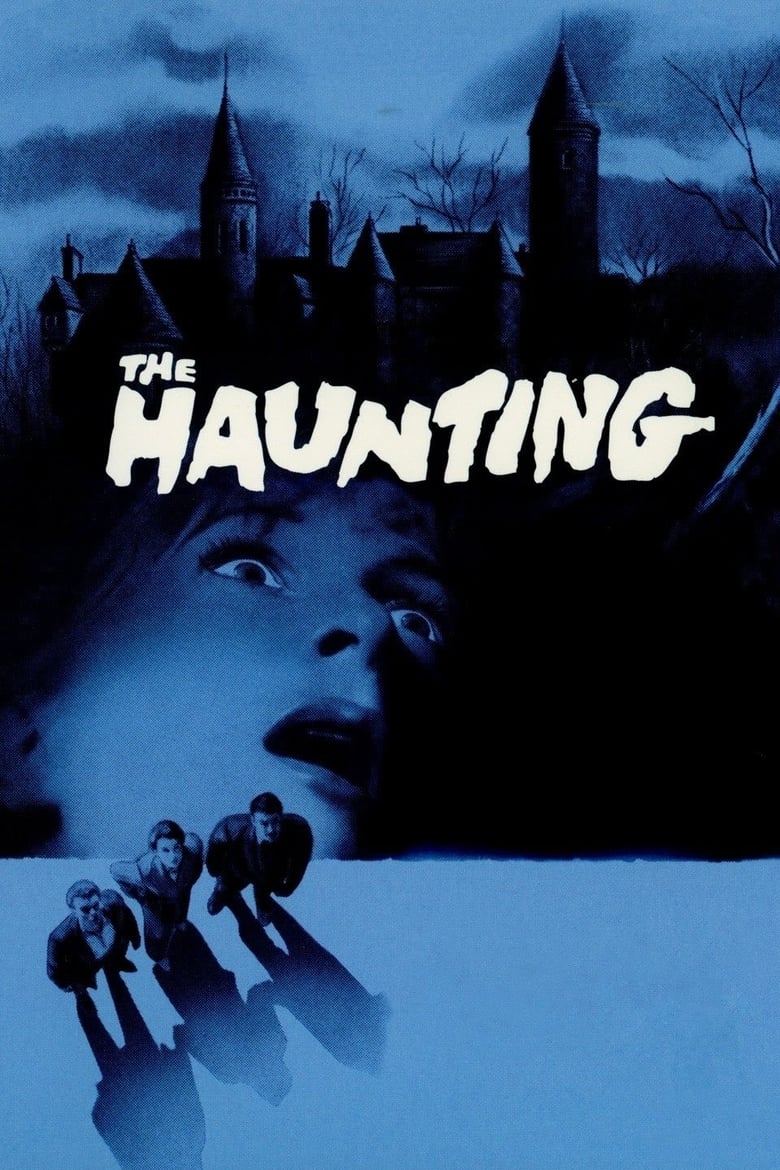
Movies like The Shining include The Wind (2018), Burnt Offerings (1976) and The Haunting (1963). Of the 12 closest matches, most are psychological horror films, and several are films that feel cold.







Explore by
What else shares a premise, people or place with The Shining?
947 other films share the rarest tag below, kind of film: haunted house. Each tag opens Browse with the films that share it.