Skip to content
MovieCove
Star Wars: Episode I - The Phantom Menace

Star Wars: Episode I - The Phantom Menace

Every saga has a beginning.

Director
George Lucas

Anakin Skywalker, a young slave strong with the Force, is discovered on Tatooine. Meanwhile, the evil Sith have returned, enacting their plot for revenge against the Jedi.

Where can I watch Star Wars: Episode I - The Phantom Menace?

As of October 24, 2026, MovieCove lists Star Wars: Episode I - The Phantom Menace streaming on Disney+ and to rent or buy on Apple TV and Prime Video.

Subscription

Your rating, lists and review

What stands out about Star Wars: Episode I - The Phantom Menace?

Star Wars: Episode I - The Phantom Menace earns 10 badges, led by Cultural touchstone and Word-of-mouth hit.

Show 2 more
  • Reception
  • Craft and mood
  • Awards and box office
  • Cast

Is Star Wars: Episode I - The Phantom Menace worth watching?

Star Wars: Episode I - The Phantom Menace's Midcredits score is the 63rd percentile of all films, from 3.1M ratings across 6 sources. 57% liked it (rated it 7 or higher out of 10).

Midcredits score

How well it was received

63rd percentile

Better received than 63% of films

77th percentile among Action65th percentile among 1990s
Acclaim (how much people like it)62nd
Approval (how many liked it)62nd

65 /100

62nd percentile of all films

77th percentile among Action66th percentile among 1990s

Critics 51 · Audience 66

Audiences liked it more than critics did.

Rating distribution

A broad spread centered near 6.6 — solid but not unanimous.

57% liked it

62nd percentile of all films

74th percentile among Action64th percentile among 1990s
57% rated it 7–1043% rated it 1–6

Critics 54% · Audience 59%

On Rotten Tomatoes, a bigger share of audiences approved than critics.

Awards

0 Oscars won · 3 Oscar noms · 24 wins / 72 noms overall

  • NominatedAcademy Awards· Best Effects, Sound Effects Editing
  • NominatedAcademy Awards· Best Effects, Visual Effects

99th percentile

3.1M ratings across platforms

99th percentile among Action99th percentile among 1990s
TMDB popularity, last 37 days to Oct 26Down 17% in 30 days

Box office

Budget$115M
Opening weekend$65M
Domestic gross$488M
Worldwide gross$1B

Returned 9.1× its budget — 99th percentile earner in its genre.

What reviewers say

Common ground

The film features impressive special effects and a memorable lightsaber duel, but suffers from weak character development and clunky dialogue.

Fans praised

  • Darth Maul's lightsaber duel and menacing presence
  • John Williams' score, especially 'Duel of the Fates'
  • Podrace as thrilling and visually impressive set piece

Detractors panned

  • Jar Jar Binks as grating, unfunny comic relief
  • Flat dialogue and wooden performances from talented cast
  • Overreliance on CGI resulting in soulless, cartoonish look

What stands out

Sound and music85

John Williams' 'Duel of the Fates' is iconic and elevating

Effects and spectacleDivisive60

Groundbreaking CGI shows age; podrace and cityscapes impressive but some find it excessive

OriginalityDivisive40

Recycles original trilogy beats without fresh vision; midichlorians derided

ActingDivisive35

Stiff performances especially from Jake Lloyd and Natalie Portman; Liam Neeson and Ewan McGregor struggle

Plot and storyDivisive35

Convoluted trade-politics plot feels dull; fails to build emotional stakes

PacingDivisive30

First half sluggish with political scenes; second act drags

Characters25

Poorly drawn characters: Jar Jar grating, Maul underused, Anakin unconvincing as future Vader

Dialogue20

Clunky, humourless lines like 'Are you an angel?'

Preferred by

Critics vs users

Preferred by Critics

Critics scored it 26 points higher than users.

US vs non-US

Preferred by Non-US Viewers

Non-US viewers scored it 21 points higher than US viewers.

No notable difference between the other groups: each pair ranks it within 10 percentile points.

  • Women vs men 7 points apart
  • Under-30s vs over-30s 9 points apart

What is Star Wars: Episode I - The Phantom Menace like to watch?

Conclusions only — categories and positions, no plot detail.

Watch this when you want a fun ride.

It has a few laughs and leaves you entertained. Skip it when you want something with weight.

ToneFeelDemandwhat the answer rests onexact position · filled zone: the category

What it feels like

Fun ride.

The answer rests on this: Moods
ThrillingHopefulMelancholic
Heaviest: late
Warm humor
Register
Adventurous · 11% of filmsEpic · 2% of films: Vast in scale: big landscapes, big stakes, a long span.
Told as
Three-act: Setup, confrontation, resolution — the default Hollywood shape.
ToneThe film presents its space-opera story earnestly with a sense of wonder and adventure, despite occasional childish humor.
The rideThe pod race and final lightsaber duel are thrilling peaks, balanced by hopeful resolution and mild melancholy in Qui-Gon's death.
StructureThe film follows a linear chronological narrative from the blockade to the final battle and celebration.

How it leaves you

what you carry away

Entertained.

The answer rests on this: FunHopeful
Why it leaves you this wayThe film leaves you with a sense of excitement and anticipation for the future, despite the death of Qui-Gon.
How it ends · evidence
Happy ending

Story archetype

where it sits among all films
Monster — 21% of films. A threat menaces the hero's world and must be defeated.Rags — 3% of films. A rise from lowliness to fortune, status, or recognition.Quest — 10% of films. A journey toward a defined objective, with companions and obstacles.Voyage — 4% of films. Into a strange world and back again, changed.Comedy — 11% of films. Confusion and cross-purposes resolved into harmony.Tragedy — 9% of films. A flaw or fixation drives the protagonist to ruin.Rebirth — 13% of films. A stalled or darkened life reopened and renewed.Mystery — 7% of films. A question drives the story — who did it, what happened, what is real — until it is answered.No archetype — 22% of filmsPredator — 6% of films. A creature or killer hunts the protagonists (Jaws, Alien).Tyrant — 6% of films. A human villain holds power over the hero's world (Die Hard).Invasion — 2% of films. An external force attacks the home or world (Independence Day).Oppressive state — 2% of films. A government, its agencies or a secret faction inside them is the monster (V for Vendetta).Corporate villainy — 1% of films. A company or its bosses are the monster (Erin Brockovich).Institutional injustice — 1% of films. A court, prison, police force, school or church is itself the enemy (Spotlight).Class system — under 1% of films. The gap between rich and poor, or a rigid hierarchy, is the monster (Parasite).Technology turns — under 1% of films. Technology people rely on becomes the threat (The Terminator).Inner demon — 1% of films. The monster is within — addiction, illness, a dark double.Underdog triumph — 2% of films. Rise through competition or contest (Rocky).Social ascent — under 1% of films. A climb in class or status (Pretty Woman).Fame and fortune — under 1% of films. An artistic or showbiz rise (A Star Is Born).Rise and fall — under 1% of films. Wealth or power gained, self lost (Scarface).Hidden worth revealed — under 1% of films. The protagonist's true value finally recognized.Treasure hunt — 1% of films. Retrieve an object of value (Raiders of the Lost Ark).Rescue — 4% of films. Retrieve or save a person (Saving Private Ryan).Mission — 5% of films. Accomplish or destroy a defined objective (Mission: Impossible).Journey home — under 1% of films. The goal is getting back (Finding Nemo).Pilgrimage — 1% of films. The journey itself transforms; the destination is symbolic.Portal fantasy — under 1% of films. Transported into another world (The Wizard of Oz).Fish out of water — 2% of films. Displaced into an unfamiliar social world (Elf).Survival ordeal — 1% of films. Trapped in a hostile environment, fighting back (Cast Away).Time displacement — under 1% of films. Unstuck in time (Back to the Future).Descent — 1% of films. A night-journey into an underworld or subculture (After Hours).Romantic comedy — 4% of films. Lovers kept apart by confusion, united at last.Comedy of errors — 3% of films. Mistaken identity or misunderstanding drives the plot.Farce — 2% of films. Escalating absurd chaos and coincidence (The Hangover).Buddy comedy — 1% of films. A mismatched pair forced together (Rush Hour).Comedy of manners — 1% of films. Social codes and class satirized (Clueless).Hubris — 1% of films. Pride or ambition invites the fall (There Will Be Blood).Obsession — 2% of films. A fixation consumes the protagonist (Black Swan).Corruption arc — 2% of films. Step-by-step moral decay (The Godfather).Doomed love — 2% of films. Love destroyed by circumstance (Brokeback Mountain).Crushed by fate — 3% of films. Destroyed by forces beyond the protagonist's control.Redemption — 3% of films. Moral reawakening of a hardened soul (A Christmas Carol).Healing — 5% of films. Recovery from grief or trauma (Good Will Hunting).Liberation — 2% of films. Breaking free of a confining life (Room).Second chance — 2% of films. A stagnant life re-opened to love or purpose (Groundhog Day).Puzzle — 1% of films. A clue-by-clue puzzle you can try to solve before the reveal (Knives Out, Clue).Investigation — 5% of films. A long pursuit of the truth that may never be fully solved (Zodiac, Memories of Murder).Enigma — 2% of films. The mystery is what is real, or what is actually happening (Mulholland Drive).QuestMission
Every story archetype, clockwise from the top
  • Monster 21%: Predator 6% · Tyrant 6% · Invasion 2% · Oppressive state 2% · Corporate villainy 1% · Institutional injustice 1% · Class system under 1% · Technology turns under 1% · Inner demon 1%
  • Rags 3%: Underdog triumph 2% · Social ascent under 1% · Fame and fortune under 1% · Rise and fall under 1% · Hidden worth revealed under 1%
  • Quest 10% (this title): Treasure hunt 1% · Rescue 4% · Mission 5% (this title) · Journey home under 1% · Pilgrimage 1%
  • Voyage 4%: Portal fantasy under 1% · Fish out of water 2% · Survival ordeal 1% · Time displacement under 1% · Descent 1%
  • Comedy 11%: Romantic comedy 4% · Comedy of errors 3% · Farce 2% · Buddy comedy 1% · Comedy of manners 1%
  • Tragedy 9%: Hubris 1% · Obsession 2% · Corruption arc 2% · Doomed love 2% · Crushed by fate 3%
  • Rebirth 13%: Redemption 3% · Healing 5% · Liberation 2% · Second chance 2%
  • Mystery 7%: Puzzle 1% · Investigation 5% · Enigma 2%
  • No archetype 22%

Quest: A journey toward a defined objective, with companions and obstacles. · Mission: Accomplish or destroy a defined objective (Mission: Impossible).

10% of films fit this archetype

A loose fit — the map only half-holds this one.

Why this archetypeThe story follows Jedi Qui-Gon Jinn and Obi-Wan Kenobi on a mission to protect Queen Amidala and restore peace, while discovering the enslaved boy Anakin Skywalker who is prophesied to bring balance to the Force.

What it's about

7 groups · 53 themes
Bonds — 27% of filmsSelf — 22% of filmsPower — 7% of filmsMorality — 16% of filmsSurvival — 15% of filmsSociety — 9% of filmsIdeas — 5% of filmsRomantic love — 15% of filmsMarriage — 2% of filmsFamily bonds — 21% of filmsParenthood — 2% of filmsFriendship — 9% of filmsLoyalty — 4% of filmsIdentity — 14% of filmsComing of age — 5% of filmsAging — under 1% of filmsSelf-worth — 7% of filmsAmbition — 7% of filmsPurpose — 9% of filmsMemory — 3% of filmsObsession — 3% of films. A fixation consumes the protagonist (Black Swan).Power — 2% of filmsCorruption — 3% of filmsGreed — 3% of filmsClass — 3% of filmsOppression — 4% of filmsFreedom — 5% of filmsJustice — 13% of filmsDuty — 2% of filmsRevenge — 4% of filmsGuilt — 3% of filmsRedemption — 6% of films. Moral reawakening of a hardened soul (A Christmas Carol).Forgiveness — 1% of filmsSacrifice — 4% of filmsBetrayal — 5% of filmsDeception — 9% of filmsSurvival — 17% of filmsWar — 1% of filmsViolence — 4% of filmsMortality — 2% of filmsGrief — 6% of filmsTrauma — 7% of filmsMental illness — 1% of filmsAddiction — 1% of filmsIllness and disability — under 1% of filmsCommunity — 14% of films. Consequences reach a town, institution or group.Isolation — 5% of filmsPrejudice — 3% of filmsDisplacement — 1% of filmsFaith — 3% of filmsTradition vs change — 2% of filmsFame — 3% of filmsLegacy — 4% of filmsFate — 1% of filmsFree will — under 1% of filmsTruth — 4% of filmsHope — 5% of filmsNature — 2% of filmsArt — 4% of filmsTechnology — 1% of filmsSelfComingof age
Every theme, clockwise from the top
  • Bonds 27%: Romantic love 15% · Marriage 2% · Family bonds 21% · Parenthood 2% · Friendship 9% · Loyalty 4%
  • Self 22% (this title): Identity 14% · Coming of age 5% (this title) · Aging under 1% · Self-worth 7% · Ambition 7% · Purpose 9% · Memory 3% · Obsession 3%
  • Power 7%: Power 2% (this title) · Corruption 3% · Greed 3% · Class 3% · Oppression 4% · Freedom 5% (this title)
  • Morality 16%: Justice 13% · Duty 2% · Revenge 4% · Guilt 3% · Redemption 6% · Forgiveness 1% · Sacrifice 4% · Betrayal 5% · Deception 9%
  • Survival 15%: Survival 17% · War 1% · Violence 4% · Mortality 2% · Grief 6% · Trauma 7% · Mental illness 1% · Addiction 1% · Illness and disability under 1%
  • Society 9%: Community 14% · Isolation 5% · Prejudice 3% · Displacement 1% · Faith 3% · Tradition vs change 2% · Fame 3% · Legacy 4%
  • Ideas 5%: Fate 1% · Free will under 1% · Truth 4% · Hope 5% · Nature 2% · Art 4% · Technology 1%

Self

Coming of age · 5% of filmsPower · 2% of filmsFreedom · 5% of films
Celebrates its theme: Affirms its theme — this is good and worth having. stakesDual lead
How it treats its themeAnakin's transition from slave boy to Jedi-in-training drives the emotional arc, while the film explores the power of the Force and the fight for planetary liberation.
StanceThe film celebrates Anakin's coming-of-age and the triumph of good over evil, framing the Jedi's victory as rightful. While its actual tone is society-level, the allowed value closest to the scope is galactic_societal.

The world

TimelessUrbanWildernessOuter spaceUnderwaterScience fiction
Orchestral classicalForeground music · original score · John Williams
SettingThe galaxy-spanning Republic, with key action on Naboo, Tatooine, and Coruscant
MusicWilliams' score is iconic, blending sweeping themes with choral and operatic grandeur, notably Duel of the Fates.

Is Star Wars: Episode I - The Phantom Menace okay for kids?

PG

Star Wars: Episode I - The Phantom Menace is rated PG: “Rated PG for sci-fi action/violence” (MPAA). As of October 3, 2026, Midcredits content scores put its violence at moderate (42/100), sexual content at minimal (7/100), language at minimal (2/100), drug and alcohol content at minimal (2/100) and frightening material at moderate (38/100). Overall it is heavier than 38% of PG-rated films.

Ratings in 25 other countries
  • UKPG
  • CanadaPG
  • AustraliaPG
  • Germany6
  • France12
  • IrelandPG
  • New ZealandPG
  • JapanG
  • South KoreaALL
  • BrazilL
  • BGC
  • CzechiaU
  • Denmark11
  • FinlandK-12
  • GreeceΚ-12
  • Hungary16
  • MexicoA
  • Netherlands12
  • Poland12
  • PortugalM/12
  • RO12
  • Russia12+
  • SpainA
  • Sweden11
  • Taiwan普遍級
Overall
Mild · all five categories
Heavier than 11% of all filmsHeavier than 38% of PG-rated films
Violence & Gore
Moderate
typical for a PG-rated film
heavier than 67%
Sex & Nudity
None / Minimal
light for a PG-rated film
heavier than 8%
Profanity
None / Minimal
light for a PG-rated film
heavier than 3%
Alcohol & Drugs
None / Minimal
light for a PG-rated film
heavier than 2%
Frightening / Intense
Moderate
typical for a PG-rated film
heavier than 51%

Point along a line to see a well-known title at that level.

Nothing here is extreme. The strongest element is violence, heavier than 67% of PG-rated films.

Source: Midcredits content scores, 0 (none) to 100 (severe) per category, with each standing ranked against other films that have them.

What content warnings does Star Wars: Episode I - The Phantom Menace have?

Not screened for content warnings yet.

Who is in Star Wars: Episode I - The Phantom Menace?

What are movies like Star Wars: Episode I - The Phantom Menace?

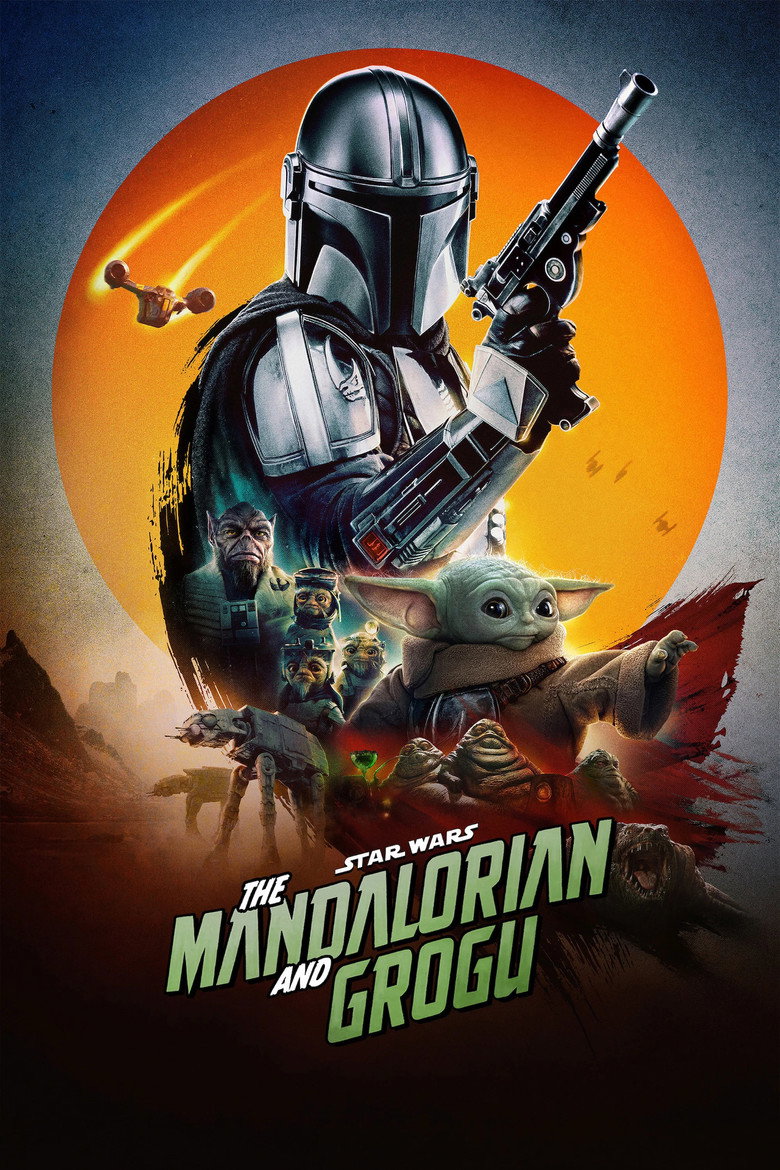
Movies like Star Wars: Episode I - The Phantom Menace include Star Wars: Episode IV - A New Hope (1977), Star Wars: Episode II - Attack of the Clones (2002) and Star Wars: The Mandalorian and Grogu (2026). Of the 12 closest matches, several are films written or directed by George Lucas, and most are films set in outer space.

Balanced: every group counts the same, and production only breaks ties.

9 of these 12 share its world: space opera. Those cards say what else they share.

What else shares a premise, people or place with Star Wars: Episode I - The Phantom Menace?

263 other films share the rarest tag below, kind of film: space opera. Each tag opens Browse with the films that share it.