
Pulp Fiction
You won’t know the facts until you’ve seen the fiction.
- Director
- Quentin Tarantino
- Starring
- John Travolta, Samuel L. Jackson, Uma Thurman, Bruce Willis
A burger-loving hit man, his philosophical partner, a drug-addled gangster's moll and a washed-up boxer converge in this sprawling, comedic crime caper. Their adventures unfurl in three stories that ingeniously trip back and forth in time.
Where to watch
Where can I watch Pulp Fiction?
As of October 24, 2026, MovieCove lists Pulp Fiction streaming on Paramount+, Pluto TV (free) and Prime Video and to rent or buy on Apple TV and Prime Video.
Subscription







Your rating, lists and review
Highlights
What stands out about Pulp Fiction?
Pulp Fiction earns 16 badges, led by Top 1% of films and Stood the test of time.
- Top 1% of films, Rank badge.99th percentile Midcredits score
- Stood the test of time, Reception badge.99th percentile Midcredits score, 32 years on
- Oscar Winner, Awards and box office badge.1 Oscar and 6 more nominations
- Universally Loved, Reception badge.93% rated it 7 or higher
- Sharp dialogue, Craft and mood badge.Praised by fans (95) and detractors (90)
- Standout acting, Craft and mood badge.Praised by fans (92) and detractors (80)
- Awards magnet, Awards and box office badge.43 wins and 52 more nominations
- Award-winning performance, Cast badge.Samuel L. Jackson, BAFTA Award win
Show 8 moreShow fewer
- Cultural touchstone, Reception badge.Among the most-seen films, 7.1M ratings
- Standout soundtrack, Craft and mood badge.Praised by fans (92) and detractors (75)
- 10× return, Awards and box office badge.Returned 27× its budget
- Word-of-mouth hit, Awards and box office badge.Grossed 11.6× its opening weekend
- Heavy for an R-rated film, Content badge.Heavier than 98% of R-rated films
- Fun, Craft and mood badge.Leaves you entertained
- Nonlinear, Craft and mood badge.Told out of order
- Strong language, Content badge.Profanity heavier than 98% of films
- Rank
- Reception
- Craft and mood
- Awards and box office
- Content
- Cast
Reception
Is Pulp Fiction worth watching?
Pulp Fiction's Midcredits score is the 99th percentile of all films, from 7.2M ratings across 6 sources. 93% liked it (rated it 7 or higher out of 10).
Midcredits score
99th percentile
Better received than 99% of films
87 /100
99th percentile of all films
Critics 95 · Audience 86
Rating distribution
votes at each rating level (1–10)
Ratings pile up at 9–10 with almost no detractors — near-universal love.
93% liked it
99th percentile of all films
Critics 92% · Audience 96%
Awards
1 Oscars won · 6 Oscar noms · 43 wins / 52 noms overall
- WonAcademy Awards· Best Writing, Screenplay Written Directly for the Screen
- NominatedAcademy Awards· Best Actor in a Leading Role
99th percentile
7.1M ratings across platforms
Box office
Returned 26.7× its budget — 98th percentile earner in its genre.
What reviewers say
Common ground
The film is a stylish, dialogue-driven crime comedy with an unconventional narrative structure and memorable characters.
Fans praised
- Dialogue is genius and memorable, with every character having a distinct voice
- Nonlinear structure is innovative and makes the film more engaging on rewatch
- Characters are memorable and well-developed through ordinary conversations
Detractors panned
- Lack of coherent plot and structure, feeling like scattered, disconnected scenes
- Characters are dehumanized and unlikable, with questionable moral framing
- Overrated and not worthy of its 'masterpiece' status
What stands out
Witty, memorable, true-to-life conversations that define the film; highlighted by both camps
Praised as a tribute to pulp with a fresh, unconventional take; detractors see it as a mess of clichés
Lived-in world that feels larger than presented; detractors see it as a world of violence and dehumanization
Bright actors-stars bring characters vividly to life; cast praised for chemistry
Imaginative music selections praised for fitting scenes perfectly
Nonlinear structure praised for coherence and propelling story; detractors see no coherent framework
Characters humanized through everyday chat; detractors find them dehumanized and uncaring
Black humor and witty dialogue praised; detractors find it off-putting or misplaced
Preferred by
No notable difference between any of the groups: each pair ranks it within 10 percentile points.
- Women vs men 2 points apart
- Under-30s vs over-30s 1 point apart
- Critics vs users even
- US vs non-US even
Watch experience
What is Pulp Fiction like to watch?
Watch this when you can give it your full attention, and you want something that leaves you smiling.
What it asks of you
Your full attention and a taste for open questions.
What it feels like
Feel-good.
How it leaves you
Entertained.
Story archetype
Every story archetype, clockwise from the top
- Monster 21%: Predator 6% · Tyrant 6% · Invasion 2% · Oppressive state 2% · Corporate villainy 1% · Institutional injustice 1% · Class system under 1% · Technology turns under 1% · Inner demon 1%
- Rags 3%: Underdog triumph 2% · Social ascent under 1% · Fame and fortune under 1% · Rise and fall under 1% · Hidden worth revealed under 1%
- Quest 10%: Treasure hunt 1% · Rescue 4% · Mission 5% · Journey home under 1% · Pilgrimage 1%
- Voyage 4%: Portal fantasy under 1% · Fish out of water 2% · Survival ordeal 1% · Time displacement under 1% · Descent 1%
- Comedy 11%: Romantic comedy 4% · Comedy of errors 3% · Farce 2% · Buddy comedy 1% · Comedy of manners 1%
- Tragedy 9%: Hubris 1% · Obsession 2% · Corruption arc 2% · Doomed love 2% · Crushed by fate 3%
- Rebirth 13%: Redemption 3% · Healing 5% · Liberation 2% · Second chance 2%
- Mystery 7%: Puzzle 1% · Investigation 5% · Enigma 2%
- No archetype 22% (this title)
What it's about
Every theme, clockwise from the top
- Bonds 27%: Romantic love 15% · Marriage 2% · Family bonds 21% · Parenthood 2% · Friendship 9% · Loyalty 4% (this title)
- Self 22%: Identity 14% · Coming of age 5% · Aging under 1% · Self-worth 7% · Ambition 7% · Purpose 9% · Memory 3% · Obsession 3%
- Power 7%: Power 2% · Corruption 3% · Greed 3% · Class 3% · Oppression 4% · Freedom 5%
- Morality 16% (this title): Justice 13% · Duty 2% · Revenge 4% · Guilt 3% · Redemption 6% (this title) · Forgiveness 1% · Sacrifice 4% · Betrayal 5% · Deception 9%
- Survival 15%: Survival 17% · War 1% · Violence 4% · Mortality 2% · Grief 6% · Trauma 7% · Mental illness 1% · Addiction 1% · Illness and disability under 1%
- Society 9%: Community 14% · Isolation 5% · Prejudice 3% · Displacement 1% · Faith 3% · Tradition vs change 2% · Fame 3% · Legacy 4%
- Ideas 5%: Fate 1% (this title) · Free will under 1% · Truth 4% · Hope 5% · Nature 2% · Art 4% · Technology 1%
The world
Content guide
Is Pulp Fiction okay for kids?
RPulp Fiction is rated R: “Rated R for strong graphic violence and drug use, pervasive strong language and some sexuality” (MPAA). As of October 3, 2026, Midcredits content scores put its violence at severe (91/100), sexual content at intense (66/100), language at severe (94/100), drug and alcohol content at severe (94/100) and frightening material at intense (72/100). Overall it is heavier than 98% of R-rated films.
Ratings in 35 other countriesRatings elsewhere
- UK18
- Canada18A
- AustraliaR 18+
- Germany16
- France12
- Ireland18
- New Zealand18
- JapanR15+
- South Korea19
- Brazil18
- Argentina18
- Belgium18
- CL18
- Czechia18+
- Denmark15
- Finland18
- Greece16
- Hong KongIII
- Hungary18
- ItalyVM18
- LTN-16
- MexicoC
- Netherlands16
- Norway18
- PE18
- PhilippinesR-18
- Poland15
- PortugalM/16
- Russia18+
- SingaporeR21
- Spain18
- Sweden15
- Switzerland16
- TaiwanR-18
- Türkiye16+
Point along a line to see a well-known title at that level.
Heavy almost across the board: language, drug and alcohol content, violence, frightening material, and sexual content.
Source: Midcredits content scores, 0 (none) to 100 (severe) per category, with each standing ranked against other films that have them.
What content warnings does Pulp Fiction have?
Not screened for content warnings yet.
Cast and crew
Who is in Pulp Fiction?
Cast
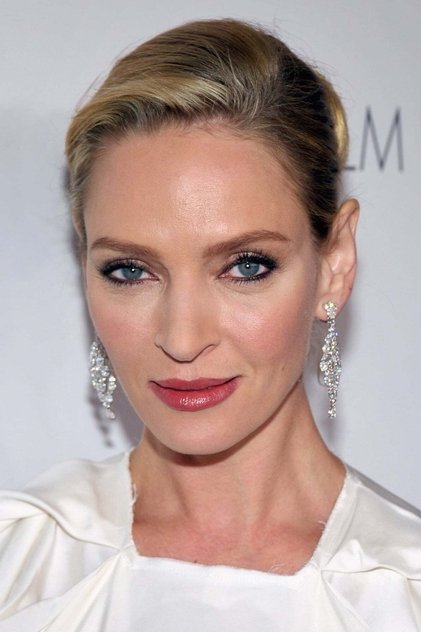
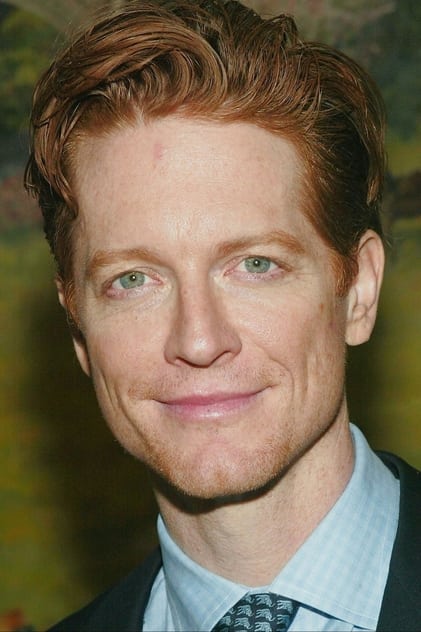
3 of the cast already had the standing of a top-10% working actor; Samuel L. Jackson won the BAFTA for this film.








Crew
Directed by
Written by
Cinematography
Edited by
Produced by
More like this
What are movies like Pulp Fiction?
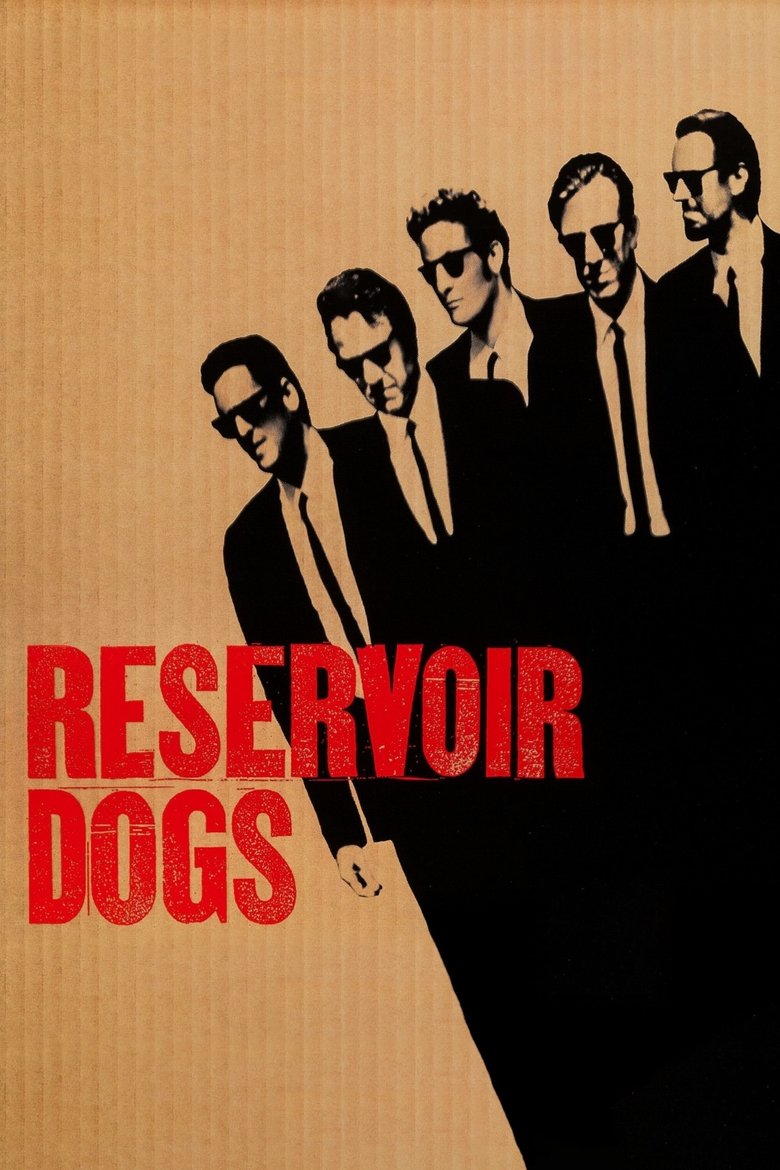
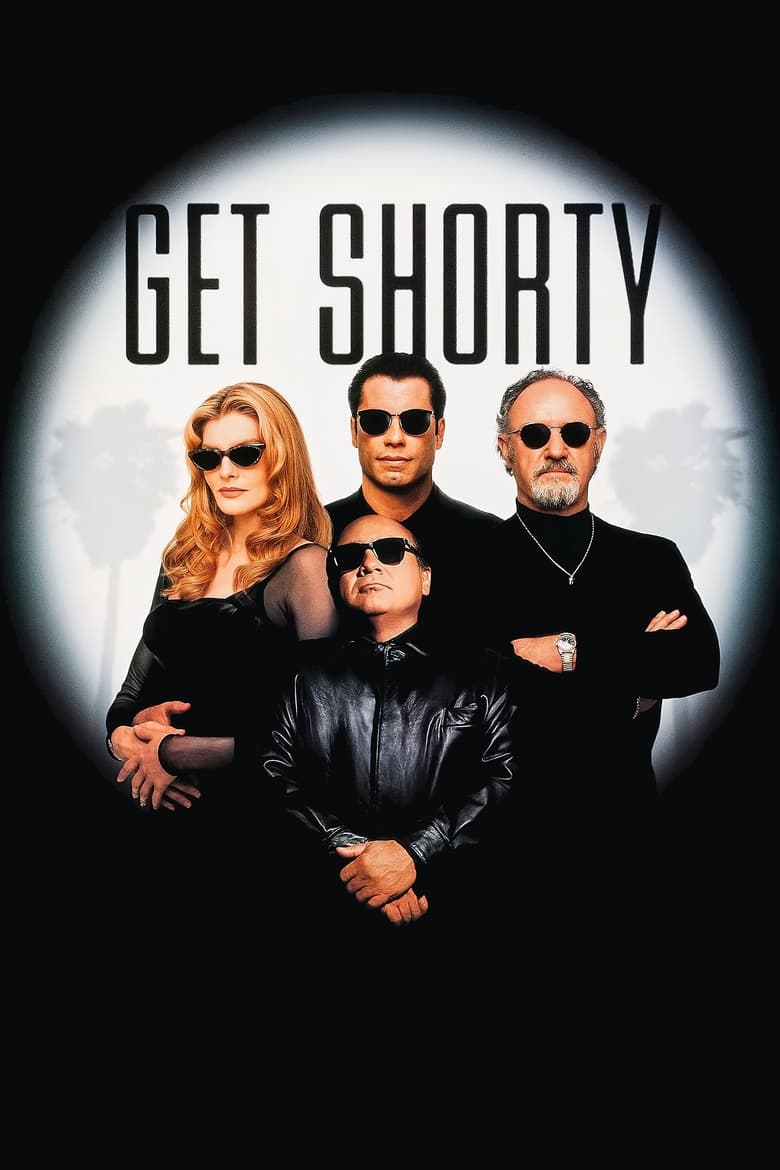
Movies like Pulp Fiction include Jackie Brown (1997), Reservoir Dogs (1992) and Get Shorty (1995). Of the 5 closest matches, two are stories about gangsters, and most are films set in Los Angeles.




Explore by
What else shares a premise, people or place with Pulp Fiction?
445 other films share the rarest tag below, follows: hitman. Each tag opens Browse with the films that share it.