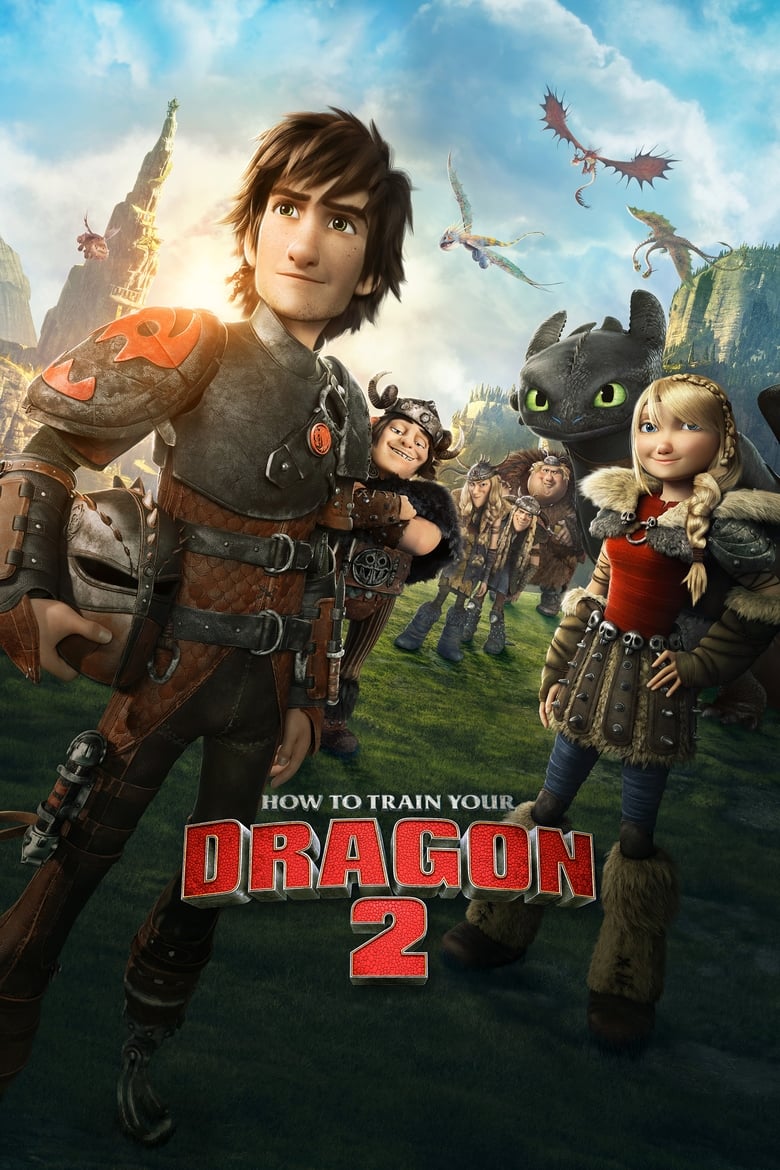
How to Train Your Dragon 2
Training is over. The adventure begins.
- Director
- Dean DeBlois
- Starring
- Jay Baruchel, Cate Blanchett, Gerard Butler, Craig Ferguson
Five years after uniting the dragons and Vikings of Berk, Hiccup and Toothless soar beyond their homeland, charting the vast unknown. During one of their adventures, the pair discover a secret cave that houses hundreds of wild dragons—and a mysterious dragon rider with a startling connection to Hiccup. And as the ruthless conqueror Drago Bludvist rises to seize control of both dragons and people alike, Hiccup must step into his role as a true leader and, alongside his friends and Toothless, protect Berk from a devastating war.
Where to watch
Where can I watch How to Train Your Dragon 2?
As of October 24, 2026, MovieCove lists How to Train Your Dragon 2 streaming on Paramount+ via Prime Video and to rent or buy on Apple TV and Prime Video.
Subscription





Your rating, lists and review
Highlights
What stands out about How to Train Your Dragon 2?
How to Train Your Dragon 2 earns 12 badges, led by Modern classic and Top 5% of films.
- Modern classic, Reception badge.97th percentile Midcredits score, 12 years on
- Top 5% of films, Rank badge.97th percentile Midcredits score
- Universally Loved, Reception badge.88% rated it 7 or higher
- Visual feast, Craft and mood badge.Praised by fans (92) and detractors (75)
- Spectacle, Craft and mood badge.Praised by fans (90) and detractors (70)
- Star-studded, Cast badge.5 of the billed cast already had a top-10% actor's standing
- Box Office Hit, Awards and box office badge.Returned 4.3× its budget
- Award Winner, Awards and box office badge.15 wins and 61 more nominations
Show 4 moreShow fewer
- Rank
- Reception
- Craft and mood
- Awards and box office
- Cast
Reception
Is How to Train Your Dragon 2 worth watching?
How to Train Your Dragon 2's Midcredits score is the 97th percentile of all films, from 1.5M ratings across 6 sources. 88% liked it (rated it 7 or higher out of 10).
Midcredits score
97th percentile
Better received than 97% of films
79 /100
95th percentile of all films
Critics 77 · Audience 79
Rating distribution
votes at each rating level (1–10)
A tight consensus around 7.9 — people broadly agree on this one.
88% liked it
97th percentile of all films
Critics 92% · Audience 90%
Awards
0 Oscars won · 1 Oscar noms · 15 wins / 61 noms overall
- NominatedAcademy Awards· Best Animated Feature Film of the Year
- WonGolden Globes· Best Animated Feature Film
99th percentile
1.5M ratings across platforms
Box office
Returned 4.3× its budget — 97th percentile earner in its genre.
What reviewers say
Common ground
A visually stunning sequel that expands the world and takes darker, more mature narrative risks.
Fans praised
- breathtaking aerial cinematography and flight sequences
- emotionally mature coming-of-age story with real stakes
- deepened bond between Hiccup and Toothless
Detractors panned
- convoluted, rushed plot with too many subplots
- underdeveloped villain with generic motivations
- forced family reunion that lacks emotional credibility
What stands out
gorgeous sweeping aerial shots and detailed textures
breathtaking dragon battles and massive alpha dragon clashes
Jay Baruchel, Cate Blanchett, Gerard Butler all praised; some find Hiccup's voice annoying
Stoick's death polarizing; some find it manipulative, others profoundly moving
Hiccup's growth praised; side characters flattened; new characters felt forced
ambitious but overstuffed and predictable
frenetic first half, rushed development, some slow middle sections
follows sequel formula; loses novelty of first film
Preferred by
No notable difference between any of the groups: each pair ranks it within 10 percentile points.
- Women vs men 1 point apart
- Under-30s vs over-30s even
- Critics vs users 1 point apart
- US vs non-US 2 points apart
Watch experience
What is How to Train Your Dragon 2 like to watch?
Watch this when you want to laugh and feel something too.
What it asks of you
Nothing out of the ordinary.
What it feels like
Funny and bittersweet.
How it leaves you
Bittersweet.
Story archetype
Every story archetype, clockwise from the top
- Monster 21% (this title): Predator 6% · Tyrant 6% (this title) · Invasion 2% · Oppressive state 2% · Corporate villainy 1% · Institutional injustice 1% · Class system under 1% · Technology turns under 1% · Inner demon 1%
- Rags 3%: Underdog triumph 2% · Social ascent under 1% · Fame and fortune under 1% · Rise and fall under 1% · Hidden worth revealed under 1%
- Quest 10%: Treasure hunt 1% · Rescue 4% · Mission 5% · Journey home under 1% · Pilgrimage 1%
- Voyage 4%: Portal fantasy under 1% · Fish out of water 2% · Survival ordeal 1% · Time displacement under 1% · Descent 1%
- Comedy 11%: Romantic comedy 4% · Comedy of errors 3% · Farce 2% · Buddy comedy 1% · Comedy of manners 1%
- Tragedy 9%: Hubris 1% · Obsession 2% · Corruption arc 2% · Doomed love 2% · Crushed by fate 3%
- Rebirth 13%: Redemption 3% · Healing 5% · Liberation 2% · Second chance 2%
- Mystery 7%: Puzzle 1% · Investigation 5% · Enigma 2%
- No archetype 22%
What it's about
Every theme, clockwise from the top
- Bonds 27%: Romantic love 15% · Marriage 2% · Family bonds 21% (this title) · Parenthood 2% · Friendship 9% · Loyalty 4%
- Self 22% (this title): Identity 14% · Coming of age 5% (this title) · Aging under 1% · Self-worth 7% · Ambition 7% · Purpose 9% · Memory 3% · Obsession 3%
- Power 7%: Power 2% · Corruption 3% · Greed 3% · Class 3% · Oppression 4% · Freedom 5%
- Morality 16%: Justice 13% · Duty 2% · Revenge 4% · Guilt 3% · Redemption 6% · Forgiveness 1% · Sacrifice 4% · Betrayal 5% · Deception 9%
- Survival 15%: Survival 17% · War 1% · Violence 4% · Mortality 2% · Grief 6% · Trauma 7% · Mental illness 1% · Addiction 1% · Illness and disability under 1%
- Society 9%: Community 14% · Isolation 5% · Prejudice 3% · Displacement 1% · Faith 3% · Tradition vs change 2% · Fame 3% · Legacy 4% (this title)
- Ideas 5%: Fate 1% · Free will under 1% · Truth 4% · Hope 5% · Nature 2% · Art 4% · Technology 1%
The world
Content guide
Is How to Train Your Dragon 2 okay for kids?
PGHow to Train Your Dragon 2 is rated PG: “Rated PG for adventure action and some mild rude humor” (MPAA). As of October 18, 2026, Midcredits content scores put its violence at moderate (37/100), sexual content at minimal (11/100), language at minimal (3/100), drug and alcohol content at minimal (1/100) and frightening material at moderate (51/100). Overall it is heavier than 51% of PG-rated films.
Ratings in 25 other countriesRatings elsewhere
- UKPG
- AustraliaPG
- Germany6
- FranceTP
- IrelandPG
- JapanG
- South KoreaALL
- BrazilL
- Belgium12
- Czechia15+
- Denmark7
- GreeceΚ
- Hong KongI
- Hungary12
- ItalyT
- LTV
- MexicoAA
- Netherlands6
- Norway6
- Poland12
- PortugalM/6
- ROAP
- Russia0+
- SpainAPTA
- Sweden7
Point along a line to see a well-known title at that level.
Nothing here is extreme. The strongest element is frightening material, heavier than 76% of PG-rated films.
Source: Midcredits content scores, 0 (none) to 100 (severe) per category, with each standing ranked against other films that have them.
What content warnings does How to Train Your Dragon 2 have?
MovieCove's classifier found 3 depicted content warnings in How to Train Your Dragon 2: Animal cruelty (mild), plus 2 withheld here because they would spoil the plot. Each is backed by a verbatim quote from the parents' guide notes; a missing warning is not a guarantee of absence.
Cast and crew
Who is in How to Train Your Dragon 2?
Cast
5 of the cast already had the standing of a top-10% working actor.










Crew
Directed by
Written by
More like this
What are movies like How to Train Your Dragon 2?
Movies like How to Train Your Dragon 2 include How to Train Your Dragon (2010), How to Train Your Dragon: The Hidden World (2019) and The Croods (2013). Of the 12 closest matches, several are films by Dean DeBlois, and most are family adventures.
- How to Train Your DragonPeople:
- How to Train Your Dragon: The Hidden WorldPeople:
- The CroodsCharacters:
- How to Train Your DragonPeople:
- The Chronicles of Narnia: The Voyage of the Dawn TreaderWorld:
- The NeverEnding Story II: The Next ChapterWorld:
- Ronia: The Robber's DaughterCharacters:
- Kubo and the Two StringsReception:
- Speed RacerReception:
- Pete's DragonStory type:
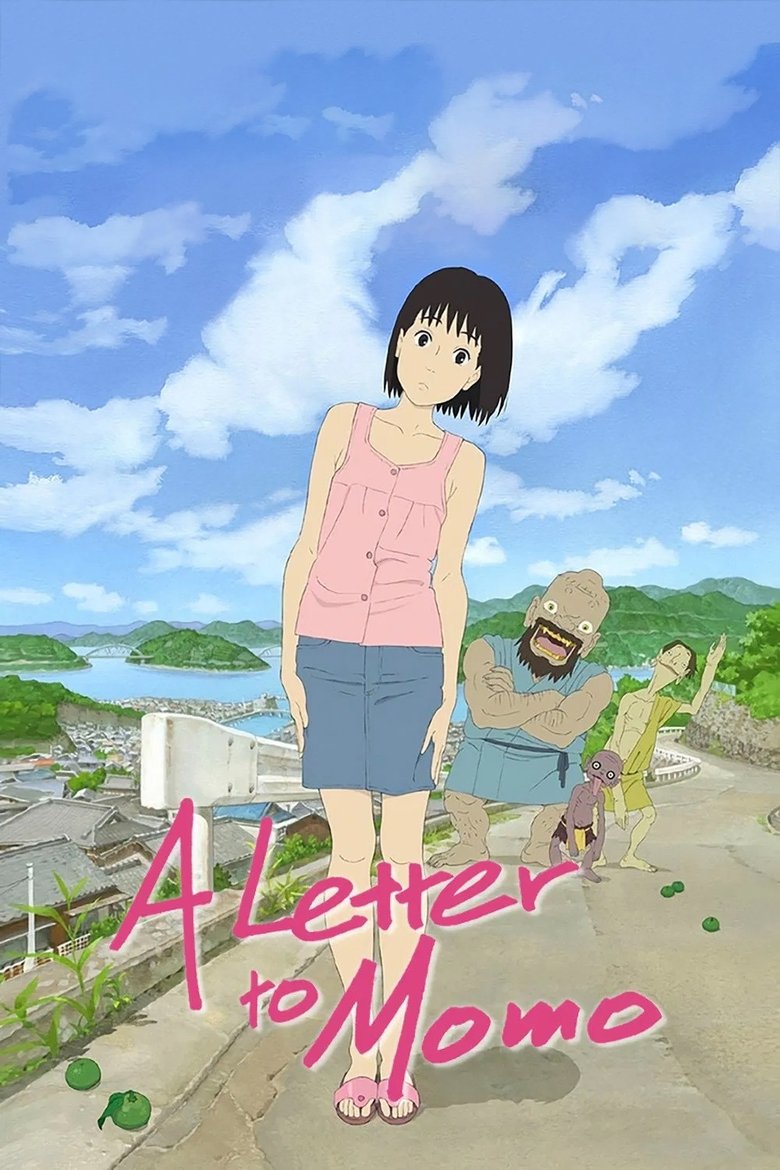
- A Letter to MomoStory type:
- BambiFeel:









Why this pick
Explore by
What else shares a premise, people or place with How to Train Your Dragon 2?
1.8K other films share the rarest tag below, follows: adventurer. Each tag opens Browse with the films that share it.