
Harry Potter and the Deathly Hallows: Part 2
It all ends.
- Director
- David Yates
- Starring
- Daniel Radcliffe, Emma Watson, Rupert Grint, Ralph Fiennes
Harry, Ron and Hermione continue their quest to vanquish the evil Voldemort once and for all. Just as things begin to look hopeless for the young wizards, Harry discovers a trio of magical objects that endow him with powers to rival Voldemort's formidable skills.
Where to watch
Where can I watch Harry Potter and the Deathly Hallows: Part 2?
As of October 24, 2026, MovieCove lists Harry Potter and the Deathly Hallows: Part 2 streaming on HBO Max and Peacock and to rent or buy on Apple TV and Prime Video.
Subscription


Your rating, lists and review
Highlights
What stands out about Harry Potter and the Deathly Hallows: Part 2?
Harry Potter and the Deathly Hallows: Part 2 earns 8 badges, led by Modern classic and Top 5% of films.
- Modern classic, Reception badge.98th percentile Midcredits score, 15 years on
- Top 5% of films, Rank badge.98th percentile Midcredits score
- Universally Loved, Reception badge.89% rated it 7 or higher
- Awards magnet, Awards and box office badge.31 wins and 66 more nominations
- 10× return, Awards and box office badge.Returned 11× its budget
- Star-studded, Cast badge.5 of the billed cast already had a top-10% actor's standing
- Bittersweet, Craft and mood badge.Leaves you bittersweet
- Big Budget, Awards and box office badge.$125M budget
- Rank
- Reception
- Craft and mood
- Awards and box office
- Cast
Reception
Is Harry Potter and the Deathly Hallows: Part 2 worth watching?
Harry Potter and the Deathly Hallows: Part 2's Midcredits score is the 98th percentile of all films, from 3.5M ratings across 6 sources. 89% liked it (rated it 7 or higher out of 10).
Midcredits score
98th percentile
Better received than 98% of films
81 /100
97th percentile of all films
Critics 85 · Audience 81
Rating distribution
votes at each rating level (1–10)
Ratings pile up at 9–10 with almost no detractors — near-universal love.
89% liked it
97th percentile of all films
Critics 96% · Audience 89%
Awards
0 Oscars won · 3 Oscar noms · 31 wins / 66 noms overall
- NominatedAcademy Awards· Best Achievement in Art Direction
- NominatedAcademy Awards· Best Achievement in Makeup
90th percentile
3.5M ratings across platforms
Box office
Returned 10.7× its budget — 99th percentile earner in its genre.
What reviewers say
Common ground
This is a fast-paced, visually grand climax to a beloved decade-long saga that prioritizes spectacle and emotional closure over complete fidelity to the source material.
Fans praised
- Snape's redemption and memory sequence as emotional highlight
- Epic Battle of Hogwarts spectacle and visual effects
- Emotional finale with satisfying closure for long-term fans
Detractors panned
- Rushed pacing that omits key book scenes and character development
- Anti-climactic final duel between Harry and Voldemort
- Unexplained plot holes and lack of emotional weight for major deaths
What stands out
Dragon escape and Battle of Hogwarts are visual highlights
Rickman's Snape dominates; Radcliffe/Grint/Watson improve; some stilted supporting cameos
Battle sequences thrill; final duel lacks book's dramatic buildup
Snape's tale and forest scene move fans; critics find deaths glossed over
First half efficient; second half rushed; battle sequences feel choppy
Emotionally satisfying for fans; detractors find it abrupt and anti-climactic
Rushed adaptation leaving non-readers confused; final duel deviates from book
Snape's arc deeply satisfying; many supporting characters feel underused
Preferred by
No notable difference between any of the groups: each pair ranks it within 10 percentile points.
- Women vs men 2 points apart
- Under-30s vs over-30s 2 points apart
- Critics vs users even
- US vs non-US 1 point apart
Watch experience
What is Harry Potter and the Deathly Hallows: Part 2 like to watch?
Watch this when you are ready to pay close attention and feel heavy feelings, and you want to be swept up in something big.
What it asks of you
Your full attention and room for heavy feelings.
What it feels like
Big and sweeping.
How it leaves you
Bittersweet.
Story archetype
Every story archetype, clockwise from the top
- Monster 21% (this title): Predator 6% · Tyrant 6% (this title) · Invasion 2% · Oppressive state 2% · Corporate villainy 1% · Institutional injustice 1% · Class system under 1% · Technology turns under 1% · Inner demon 1%
- Rags 3%: Underdog triumph 2% · Social ascent under 1% · Fame and fortune under 1% · Rise and fall under 1% · Hidden worth revealed under 1%
- Quest 10%: Treasure hunt 1% · Rescue 4% · Mission 5% · Journey home under 1% · Pilgrimage 1%
- Voyage 4%: Portal fantasy under 1% · Fish out of water 2% · Survival ordeal 1% · Time displacement under 1% · Descent 1%
- Comedy 11%: Romantic comedy 4% · Comedy of errors 3% · Farce 2% · Buddy comedy 1% · Comedy of manners 1%
- Tragedy 9%: Hubris 1% · Obsession 2% · Corruption arc 2% · Doomed love 2% · Crushed by fate 3%
- Rebirth 13%: Redemption 3% · Healing 5% · Liberation 2% · Second chance 2%
- Mystery 7%: Puzzle 1% · Investigation 5% · Enigma 2%
- No archetype 22%
What it's about
Every theme, clockwise from the top
- Bonds 27%: Romantic love 15% · Marriage 2% · Family bonds 21% · Parenthood 2% · Friendship 9% · Loyalty 4%
- Self 22%: Identity 14% · Coming of age 5% · Aging under 1% · Self-worth 7% · Ambition 7% · Purpose 9% · Memory 3% · Obsession 3%
- Power 7%: Power 2% · Corruption 3% · Greed 3% · Class 3% · Oppression 4% · Freedom 5%
- Morality 16% (this title): Justice 13% · Duty 2% · Revenge 4% · Guilt 3% · Redemption 6% · Forgiveness 1% · Sacrifice 4% (this title) · Betrayal 5% · Deception 9%
- Survival 15%: Survival 17% · War 1% · Violence 4% · Mortality 2% · Grief 6% · Trauma 7% · Mental illness 1% · Addiction 1% · Illness and disability under 1%
- Society 9%: Community 14% · Isolation 5% · Prejudice 3% · Displacement 1% · Faith 3% · Tradition vs change 2% · Fame 3% · Legacy 4%
- Ideas 5%: Fate 1% · Free will under 1% · Truth 4% · Hope 5% · Nature 2% · Art 4% · Technology 1%
The world
Content guide
Is Harry Potter and the Deathly Hallows: Part 2 okay for kids?
PG-13Harry Potter and the Deathly Hallows: Part 2 is rated PG-13: “Rated PG-13 for some sequences of intense action violence and frightening images” (MPAA). As of October 5, 2026, Midcredits content scores put its violence at intense (67/100), sexual content at mild (17/100), language at mild (29/100), drug and alcohol content at minimal (7/100) and frightening material at intense (71/100). Overall it is heavier than 79% of PG-13-rated films.
Ratings in 30 other countriesRatings elsewhere
- UK12A
- AustraliaM
- Germany12
- France12
- Ireland12A
- New ZealandM
- JapanR15+
- South KoreaALL
- Brazil12
- Austria12
- Belgium12
- Czechia12
- Denmark11
- Finland12
- GreeceK12
- Hong KongIIA
- Hungary12
- ItalyT
- MexicoB
- Netherlands12
- Norway12
- Poland16
- PortugalM/12
- RO15
- Russia16+
- SK12
- Spain12
- Sweden11
- Türkiye13+
- UA16+
Point along a line to see a well-known title at that level.
The reason to think twice is frightening material and violence. Everything else sits at or below what PG-13-rated films usually carry.
Source: Midcredits content scores, 0 (none) to 100 (severe) per category, with each standing ranked against other films that have them.
What content warnings does Harry Potter and the Deathly Hallows: Part 2 have?
MovieCove's classifier found 4 depicted content warnings in Harry Potter and the Deathly Hallows: Part 2, all withheld here because they would spoil the plot. Each is backed by a verbatim quote from the parents' guide notes; a missing warning is not a guarantee of absence.
Cast and crew
Who is in Harry Potter and the Deathly Hallows: Part 2?
Cast
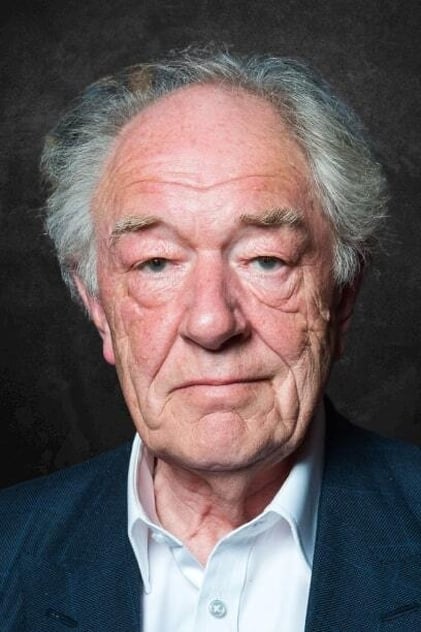
5 of the cast already had the standing of a top-10% working actor.




Crew
Directed by
Written by
Cinematography
Edited by
Music by
Produced by
More like this
What are movies like Harry Potter and the Deathly Hallows: Part 2?
Movies like Harry Potter and the Deathly Hallows: Part 2 include Harry Potter and the Order of the Phoenix (2007), Harry Potter and the Chamber of Secrets (2002) and The Hobbit: The Battle of the Five Armies (2014). Of the 12 closest matches, several are films by David Yates, and several are stories about witches.
- Harry Potter and the Order of the PhoenixPeople:
- Harry Potter and the Chamber of SecretsPeople:
- The Hobbit: The Battle of the Five ArmiesReception:
- Fantastic Beasts: The Crimes of GrindelwaldPeople:
- Fantastic Beasts: The Secrets of DumbledorePeople:
- WarcraftReception:
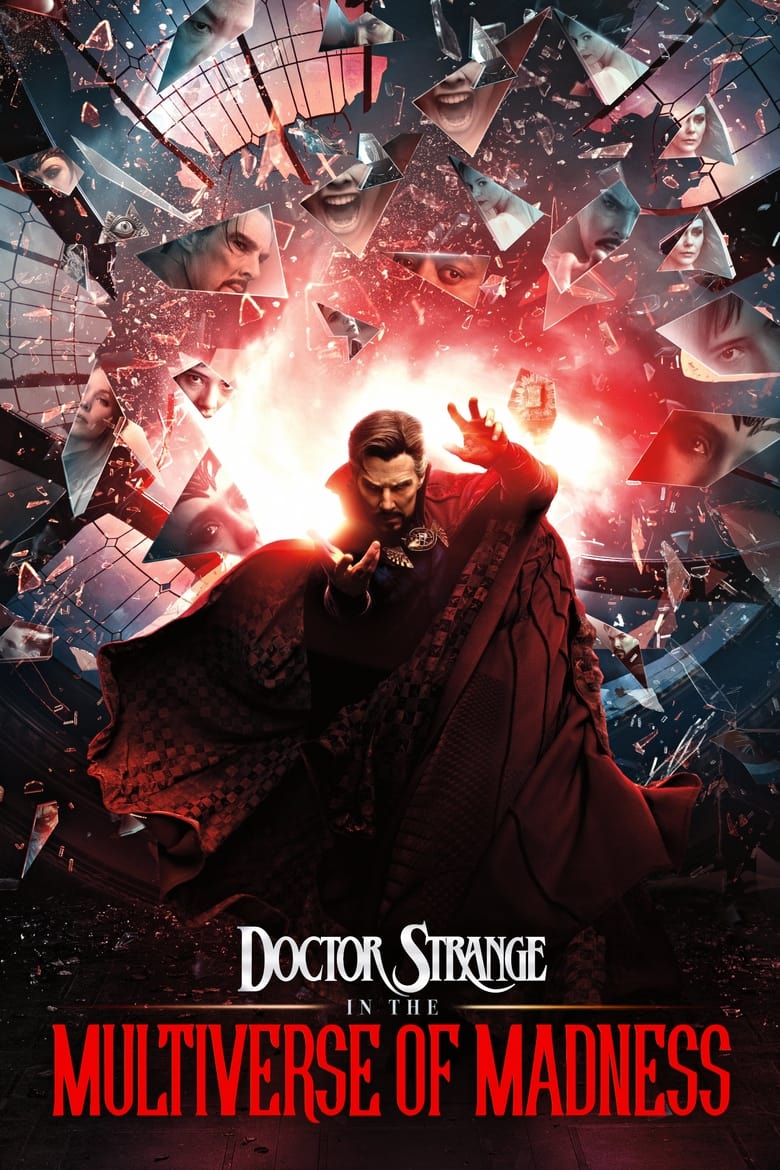
- Doctor Strange in the Multiverse of MadnessReception:
- Snow White and the HuntsmanStory type:
- Man of SteelCharacters:
- Ghost RiderCharacters:
- Ben-HurStory type:
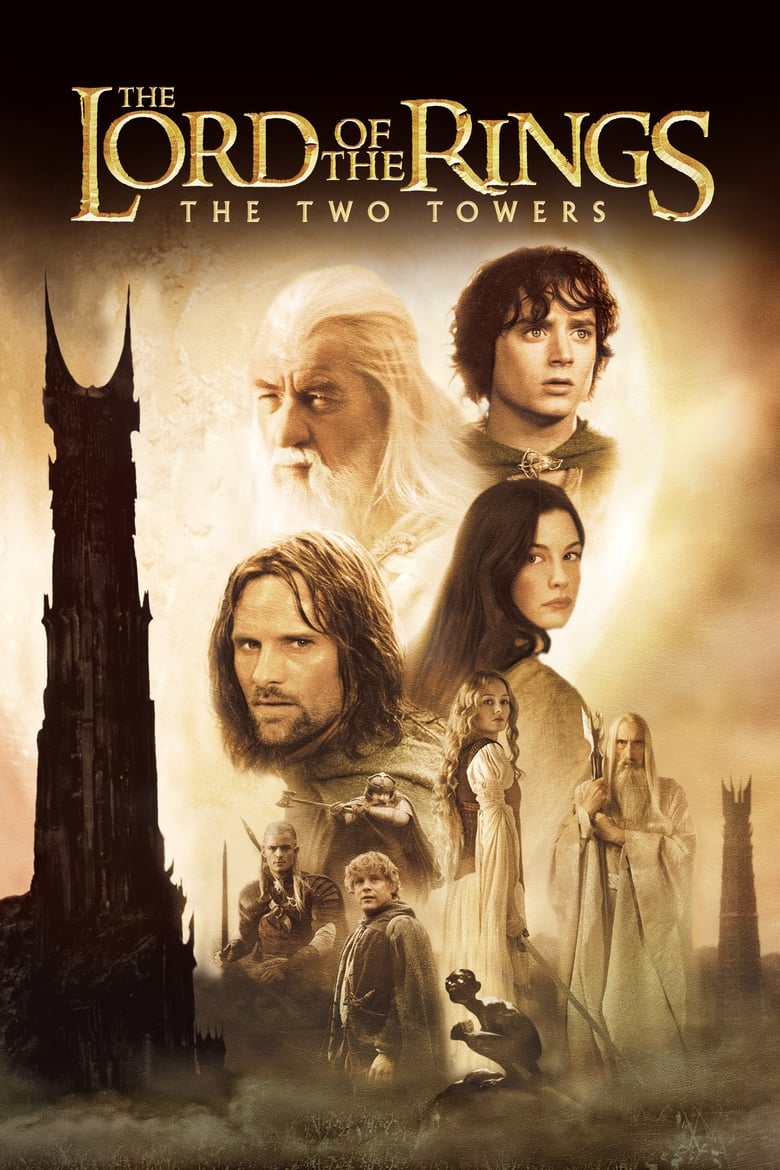
- The Lord of the Rings: The Two TowersFeel:




Why this pick
Explore by
What else shares a premise, people or place with Harry Potter and the Deathly Hallows: Part 2?
312 other films share the rarest tag below, follows: magic user. Each tag opens Browse with the films that share it.