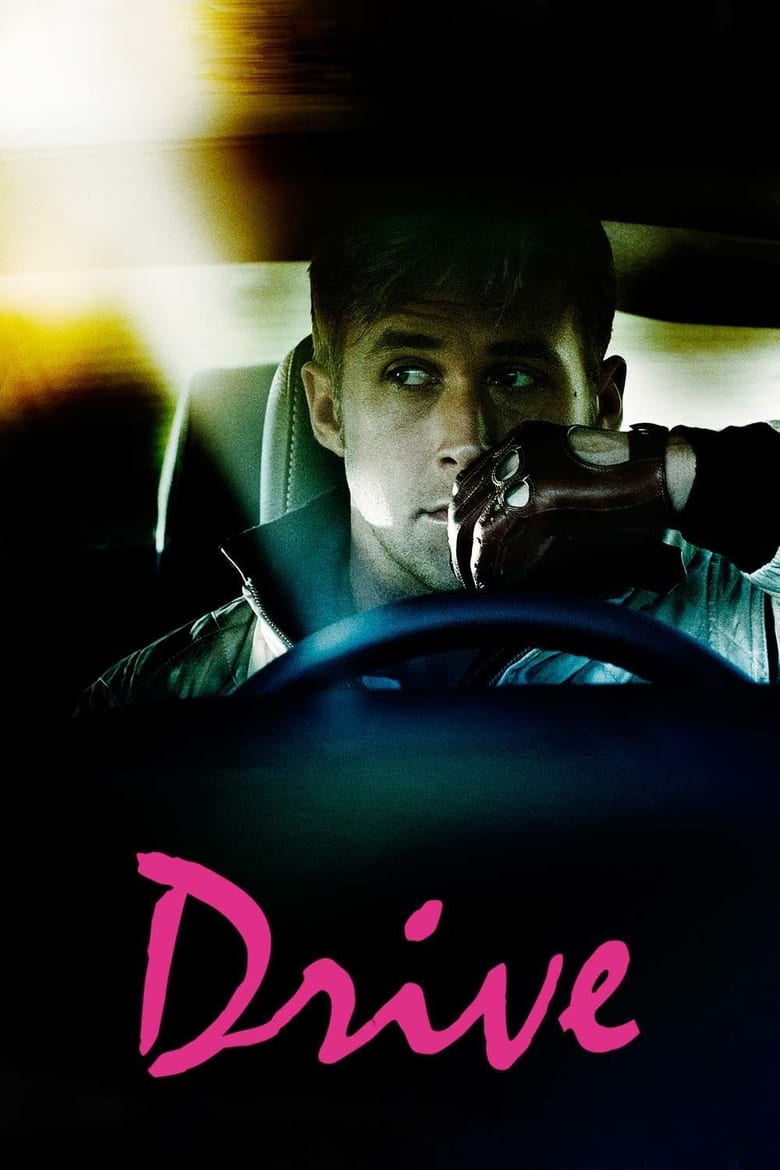
Drive
There are no clean getaways.
- Director
- Nicolas Winding Refn
- Starring
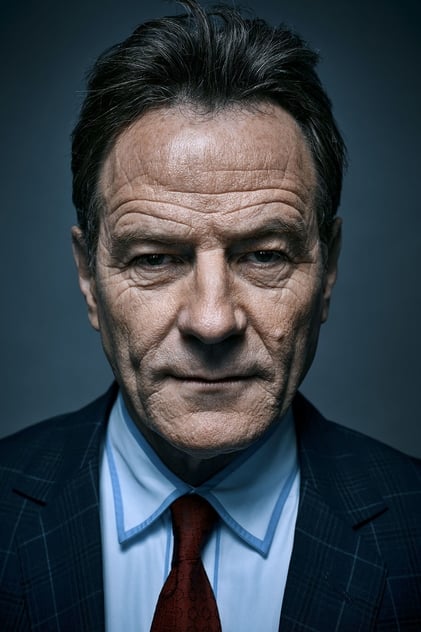
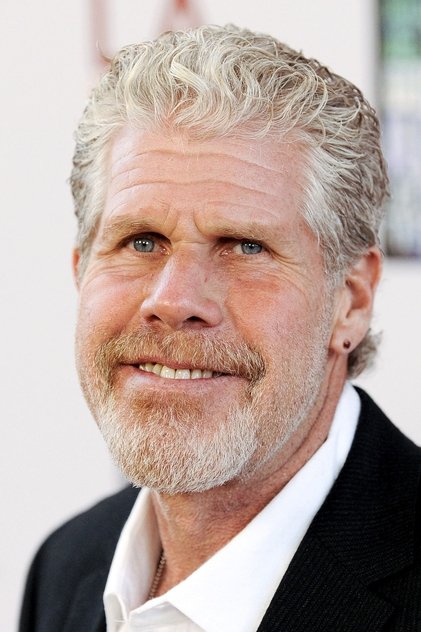
- Ryan Gosling, Carey Mulligan, Bryan Cranston, Albert Brooks
Driver is a skilled Hollywood stuntman who moonlights as a getaway driver for criminals. Though he projects an icy exterior, lately he's been warming up to a pretty neighbor named Irene and her young son, Benicio. When Irene's husband gets out of jail, he enlists Driver's help in a million-dollar heist. The job goes horribly wrong, and Driver must risk his life to protect Irene and Benicio from the vengeful masterminds behind the robbery.
Where to watch
Where can I watch Drive?
As of October 24, 2026, MovieCove lists Drive to rent or buy on Apple TV and Prime Video, and on no subscription service.




Your rating, lists and review
Highlights
What stands out about Drive?
Drive earns 13 badges, led by Modern classic and Top 5% of films.
- Modern classic, Reception badge.96th percentile Midcredits score, 15 years on
- Top 5% of films, Rank badge.96th percentile Midcredits score
- Universally Loved, Reception badge.83% rated it 7 or higher
- Standout soundtrack, Craft and mood badge.Praised by fans (95) and detractors (70)
- Visual feast, Craft and mood badge.Praised by fans (90) and detractors (70)
- Awards magnet, Awards and box office badge.30 wins and 68 more nominations
- Box Office Hit, Awards and box office badge.Returned 5.3× its budget
- Not for the squeamish, Content badge.Violence & Gore heavier than 98% of films
Show 5 moreShow fewer
- Cultural touchstone, Reception badge.Among the most-seen films, 2.9M ratings
- Atmospheric, Craft and mood badge.Reviews score it 90 of 100
- Haunting, Craft and mood badge.Leaves you haunted
- Preferred by Men, Reception badge.Men scored it 15 points higher than women
- Big Budget, Awards and box office badge.$15M budget
- Rank
- Reception
- Craft and mood
- Awards and box office
- Content
Reception
Is Drive worth watching?
Drive's Midcredits score is the 96th percentile of all films, from 2.9M ratings across 6 sources. 83% liked it (rated it 7 or higher out of 10).
Midcredits score
96th percentile
Better received than 96% of films
78 /100
95th percentile of all films
Critics 79 · Audience 78
Rating distribution
votes at each rating level (1–10)
Most people land high, with a thin tail of low scores from those it didn't reach.
83% liked it
93rd percentile of all films
Critics 93% · Audience 79%
Awards
0 Oscars won · 1 Oscar noms · 30 wins / 68 noms overall
- NominatedAcademy Awards· Best Achievement in Sound Editing
- NominatedGolden Globes· Best Performance by an Actor in a Supporting Role in a Motion Picture
99th percentile
2.9M ratings across platforms
Box office
Returned 5.3× its budget — 83rd percentile earner in its genre.
What reviewers say
Common ground
A stylish, ultra-violent neo-noir with a minimalist lead performance and a synth-heavy soundtrack.
Fans praised
- hypnotic atmosphere with neon-lit visuals and synth soundtrack
- Ryan Gosling's minimalist, charismatic performance
- brutal, shocking violence that punctuates slow-burn tension
Detractors panned
- underdeveloped plot with clichés and implausible logic
- pretentious, slow pacing with excessive silence and pauses
- gratuitous, shock-value violence that feels out of place
What stands out
Hypnotic, dreamlike tone with neon-drenched LA nights
Synth-pop soundtrack with 'Nightcall' and 'A Real Hero'
Lush neon-noir visuals and striking compositions
Gosling's quiet intensity praised as iconic; detractors call it wooden
Slow-burn suspense erupting into bursts of violence
Driver's mystery compelling to fans; detractors see no depth or motivation
Deliberate, simmering tension for fans; detractors find it painfully slow
Simple heist-gone-wrong story; detractors call it derivative and illogical
Preferred by
Women vs men
Men scored it 15 points higher than women.
No notable difference between the other groups: each pair ranks it within 10 percentile points.
- Under-30s vs over-30s 2 points apart
- Critics vs users 6 points apart
- US vs non-US 1 point apart
Watch experience
What is Drive like to watch?
Watch this when you are ready to pay close attention and feel heavy feelings, and you want something dark that stays with you.
What it asks of you
Your full attention, room for heavy feelings and patience.
What it feels like
Dark and unsettling.
How it leaves you
Haunted.
Story archetype
Every story archetype, clockwise from the top
- Monster 21% (this title): Predator 6% · Tyrant 6% (this title) · Invasion 2% · Oppressive state 2% · Corporate villainy 1% · Institutional injustice 1% · Class system under 1% · Technology turns under 1% · Inner demon 1%
- Rags 3%: Underdog triumph 2% · Social ascent under 1% · Fame and fortune under 1% · Rise and fall under 1% · Hidden worth revealed under 1%
- Quest 10%: Treasure hunt 1% · Rescue 4% · Mission 5% · Journey home under 1% · Pilgrimage 1%
- Voyage 4%: Portal fantasy under 1% · Fish out of water 2% · Survival ordeal 1% · Time displacement under 1% · Descent 1%
- Comedy 11%: Romantic comedy 4% · Comedy of errors 3% · Farce 2% · Buddy comedy 1% · Comedy of manners 1%
- Tragedy 9%: Hubris 1% · Obsession 2% · Corruption arc 2% · Doomed love 2% · Crushed by fate 3%
- Rebirth 13%: Redemption 3% · Healing 5% · Liberation 2% · Second chance 2%
- Mystery 7%: Puzzle 1% · Investigation 5% · Enigma 2%
- No archetype 22%
What it's about
Every theme, clockwise from the top
- Bonds 27%: Romantic love 15% (this title) · Marriage 2% · Family bonds 21% · Parenthood 2% · Friendship 9% · Loyalty 4%
- Self 22%: Identity 14% · Coming of age 5% · Aging under 1% · Self-worth 7% · Ambition 7% · Purpose 9% · Memory 3% · Obsession 3%
- Power 7%: Power 2% · Corruption 3% · Greed 3% · Class 3% · Oppression 4% · Freedom 5%
- Morality 16% (this title): Justice 13% · Duty 2% · Revenge 4% · Guilt 3% · Redemption 6% · Forgiveness 1% · Sacrifice 4% (this title) · Betrayal 5% · Deception 9%
- Survival 15%: Survival 17% · War 1% · Violence 4% (this title) · Mortality 2% · Grief 6% · Trauma 7% · Mental illness 1% · Addiction 1% · Illness and disability under 1%
- Society 9%: Community 14% · Isolation 5% · Prejudice 3% · Displacement 1% · Faith 3% · Tradition vs change 2% · Fame 3% · Legacy 4%
- Ideas 5%: Fate 1% · Free will under 1% · Truth 4% · Hope 5% · Nature 2% · Art 4% · Technology 1%
The world
Content guide
Is Drive okay for kids?
RDrive is rated R: “Rated R for strong brutal bloody violence, language and some nudity” (MPAA). As of September 28, 2026, Midcredits content scores put its violence at severe (96/100), sexual content at moderate (57/100), language at intense (70/100), drug and alcohol content at mild (34/100) and frightening material at severe (87/100). Overall it is heavier than 87% of R-rated films.
Ratings in 37 other countriesRatings elsewhere
- UK18
- Canada18A
- AustraliaMA 15+
- Germany18
- France12
- Ireland18
- JapanR15+
- South Korea18
- Brazil16
- Argentina16
- Austria16
- Belgium18
- CL14
- Czechia18+
- Denmark15
- FinlandK-18
- GreeceK-17
- Hong KongIII
- ID17+
- IndiaA
- Israel16
- ItalyT
- LTN-16
- MexicoB15
- Netherlands16
- Norway15
- PhilippinesR-13
- Poland18
- PortugalM/16
- RO18+
- Russia18+
- SingaporeM18
- South Africa16
- Spain18
- Sweden15
- Switzerland16
- Türkiye18+
Point along a line to see a well-known title at that level.
The reason to think twice is violence, frightening material, and language. Everything else sits at or below what R-rated films usually carry.
Source: Midcredits content scores, 0 (none) to 100 (severe) per category, with each standing ranked against other films that have them.
What content warnings does Drive have?
MovieCove's classifier found 4 depicted content warnings in Drive: Gore or body horror (severe), Medical procedures (mild), plus 2 withheld here because they would spoil the plot. Each is backed by a verbatim quote from the parents' guide notes; a missing warning is not a guarantee of absence.
Cast and crew
Who is in Drive?
Cast
3 of the cast already had the standing of a top-10% working actor.







Crew
Directed by
Written by
Cinematography
Edited by
Music by
More like this
What are movies like Drive?
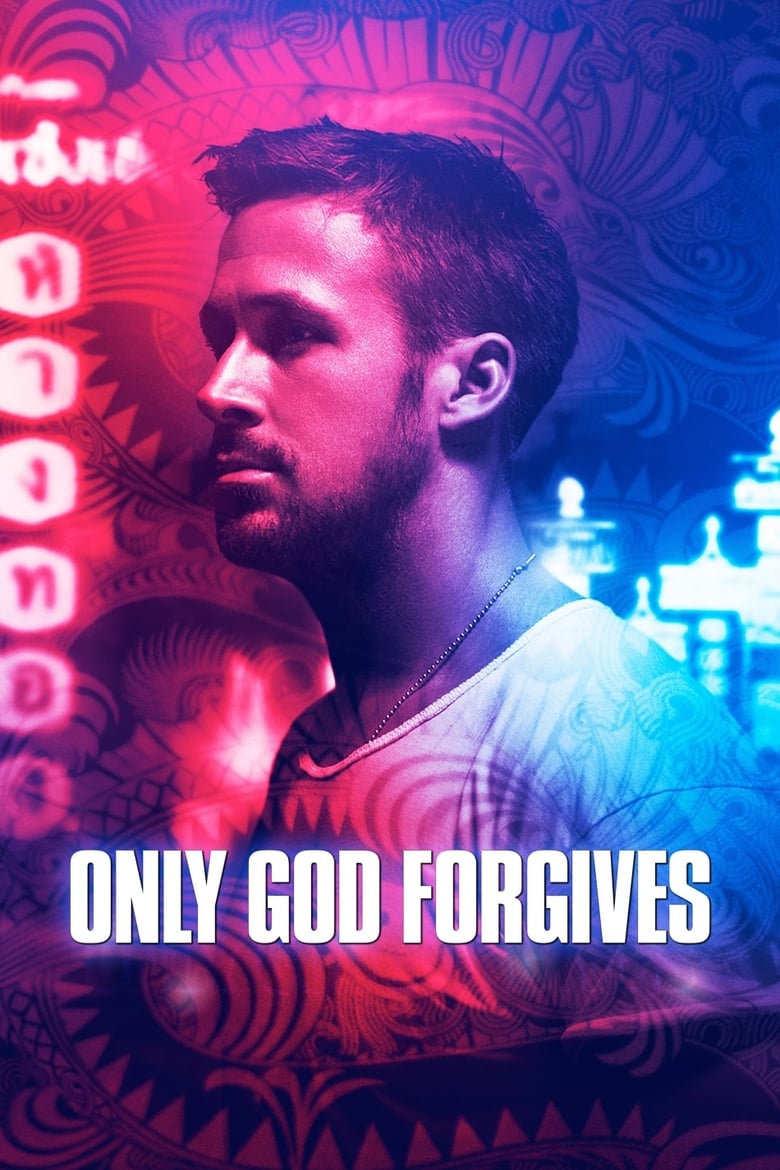
Movies like Drive include Love Lies Bleeding (2024), The Proposition (2005) and Only God Forgives (2013). Of the 6 closest matches, most are films about violence, and two are revenge thrillers.


Explore by
What else shares a premise, people or place with Drive?
1.3K other films share the rarest tag below, kind of film: neo-noir. Each tag opens Browse with the films that share it.